Catégorie : Strategy
-

The platform and the curator
The article critiques the platform mindset of tech giants like Apple, Amazon, Google, and Facebook, highlighting their reliance on algorithms and data-driven decisions rather than human curation. It argues that while this approach avoids gatekeeper errors, it leads to issues such as the rise of hate speech and banal content; ultimately, platforms risk becoming dull…
-
Why Creative Diversity Trumps Consistency in Branding | Omer Sher posted on the topic | LinkedIn
In a recent discussion with Lisa Kane, Executive Group Director of Strategy at Siegel + Gale, the evolving nature of brand strategy was explored, highlighting that while clients still seek comprehensive brand transformations, the perception and application of brand strategy have significantly shifted. Previously misunderstood, branding now permeates every aspect of businesses and individuals, with…
-
Meta Connect 2025: Zuck bets on glasses as the future of AI | Saanya Ojha posted on the topic | LinkedIn
At Meta Connect 2025, Mark Zuckerberg emphasized that glasses, rather than phones or headsets, are the ideal device for personal superintelligence, introducing the $799 Meta Ray-Ban Display and the $499 Oakley Meta Vanguard aimed at athletes. These glasses feature advancements like a high-res display, a wristband powered by electromyography for gesture control, and voice amplification,…
-
An Interview with OpenAI CEO Sam Altman About DevDay and the AI Buildout
OpenAI co-founder and CEO Sam Altman, in a recent interview, discussed the company’s strategic initiatives following a busy period of announcements, including the release of GPT-5, the launch of the AI video app Sora, and partnerships with major tech firms like Nvidia and AMD. Altman emphasized OpenAI’s vision of building a capable AI that integrates…
-
Could a Retail Media Backlash Be in the Offing?
The article explores the current state of the Retail Media (RM) sector, highlighting both its growth and the challenges it faces. While major financial players like American Express and Mastercard are investing in RM, signs of consolidation and disillusionment are emerging, with brands such as Macy’s and Kroger altering their strategies and consumer packaged goods…
-

Fan Surplus, HYBE, and the Science of Fandom
The article discusses the shift in the media industry from a focus on reaching a broad audience to targeting a smaller group of dedicated fans to maximize revenue. As advancements in generative AI reduce content creation costs, media companies must capitalize on “fan surplus”—the additional willingness of fans to engage and spend—by offering tailored products…
-

Is It Slop If People Watch It?
The release of Sora 2 by OpenAI on September 30, 2024, featuring a groundbreaking app, has sparked concerns over copyright issues and information integrity due to its ability to generate content with minimal guidance, posing a potential threat to corporate media. While most Sora-generated content might be considered low-quality or “AI slop,” some videos have…
-
Death by Valuation: The Amazon Aggregator Autopsy
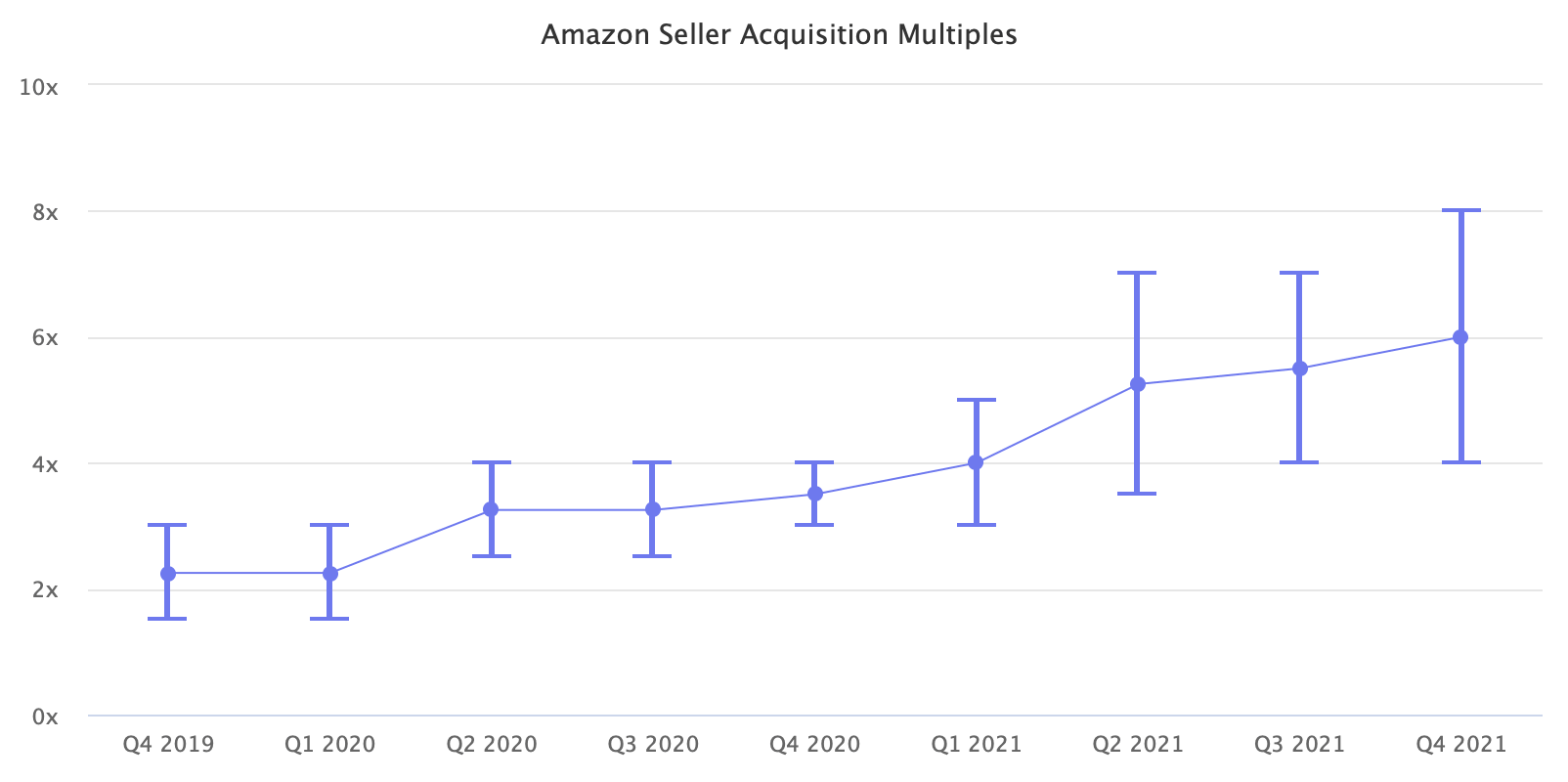
Thrasio’s downfall illustrates that while the business model of consolidating Amazon brands was sound, executing it during an unprecedented capital bubble proved untenable. Thrasio co-founder John Hefter attributes their failure to the unsustainable economic conditions of 2021, marked by zero interest rates and a surge in e-commerce, which led to aggressive acquisitions at inflated multiples.…
-
Death by Valuation: The Amazon Aggregator Autopsy | Marketplace Pulse
In a podcast, Thrasio co-founder John Hefter detailed the pitfalls that led to issues at the company, aligning with Marketplace Pulse’s analyses. Thrasio’s rapid expansion, from 4 founders to 1,600 employees and 200 acquisitions in 2.5 years, resulted in inflated asset valuations and costly inventory mistakes, demonstrating that successful Amazon roll-ups require discipline and specific…
-
This is an incredible use case of Sora 2. Mattel is using it to go from sketch to product experience in minutes. Another example of how it’s never been a better time to be a craftsperson. As a… | Kieran Flanagan | 20 comments
Mattel is utilizing Sora 2 to transform sketches into product experiences swiftly, showcasing a significant advancement for craftspersons and marketers by enabling rapid prototyping and testing of numerous creative variations. This innovation highlights a prime opportunity for creatives to efficiently refine and scale their ideas in today’s dynamic market.