Catégorie : Strategy
-
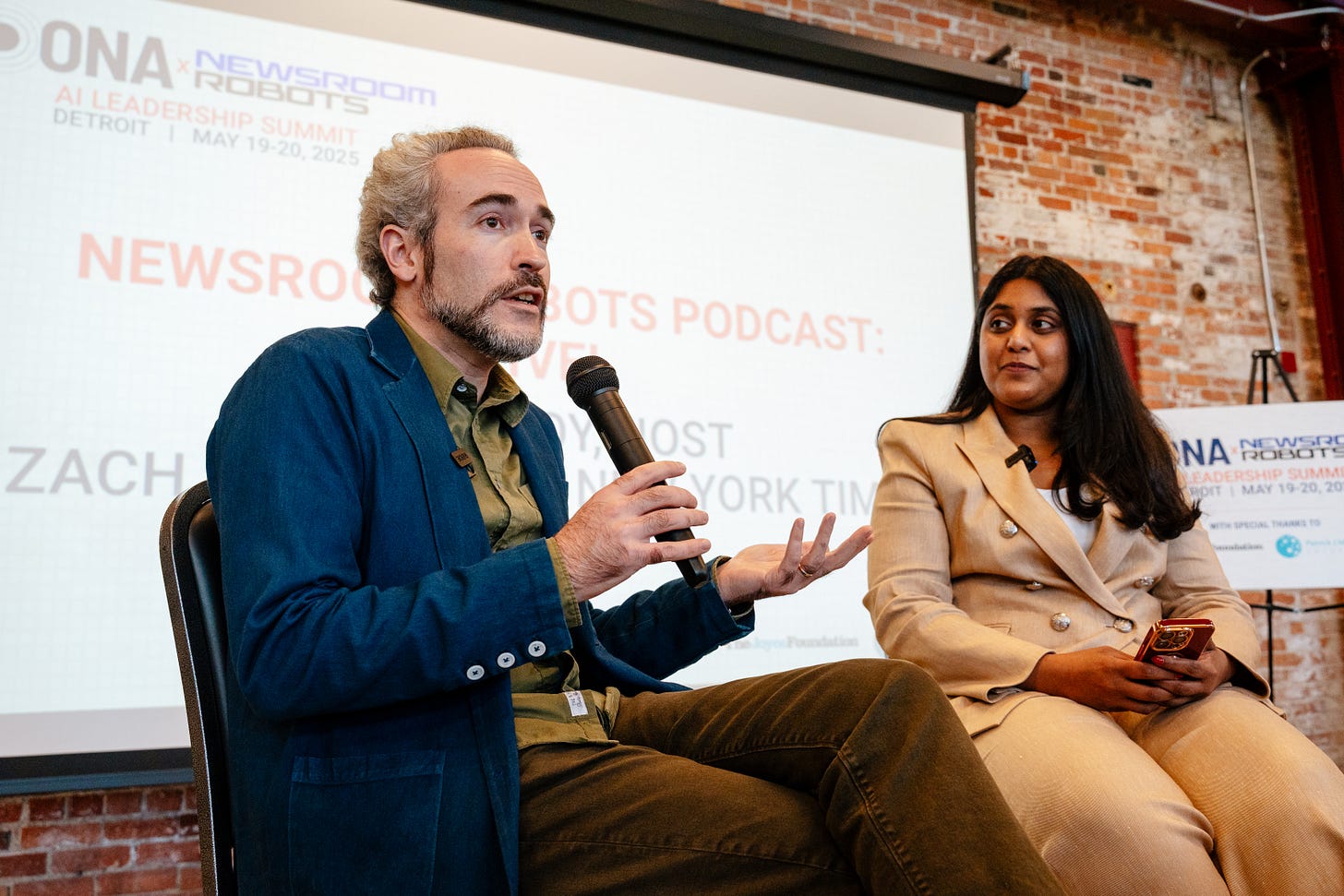
How a Five-Person AI Team Is Powering Innovation at The New York Times: In Conversation with Zach Seward
In late 2023, Zach Seward became The New York Times’ first Editorial Director of AI Initiatives, taking on a strategic role amidst the company’s lawsuits against OpenAI and Microsoft. At the AI Leadership Summit in Detroit, Seward highlighted the paper’s cautious approach to AI, emphasizing education and problem-solving through tools like Echo, an internal summarization…
-

Google CEO Sundar Pichai on the next AI platform shift
In a post-Google I/O interview, CEO Sundar Pichai discussed the transformative potential of AI, describing it as a profound platform shift comparable to past technological advances like mobile and the internet, with the capability to develop new products and change how we interact with technology. He highlighted the confidence at Google stemming from their deep…
-
Can the aviation industry soar to new heights?
I’m sorry, but it appears that the text provided is incomplete and primarily consists of HTML and metadata from an email or webpage template, with minimal actual content from an article. This makes it challenging to extract meaningful information or create a substantive summary. Could you please provide a more detailed and content-rich section of…
-
Fwd: Benedict’s Newsletter
Sam Altman faces challenges in transitioning OpenAI from a science lab to a leading AI company while managing external pressures, such as a lawsuit from Elon Musk and dependency on Microsoft. As OpenAI grapples with retaining talent and defining its product amidst Silicon Valley’s evolving AI landscape, Altman considers collaborating with Jony Ive’s design expertise…
-
AI comes for my job…
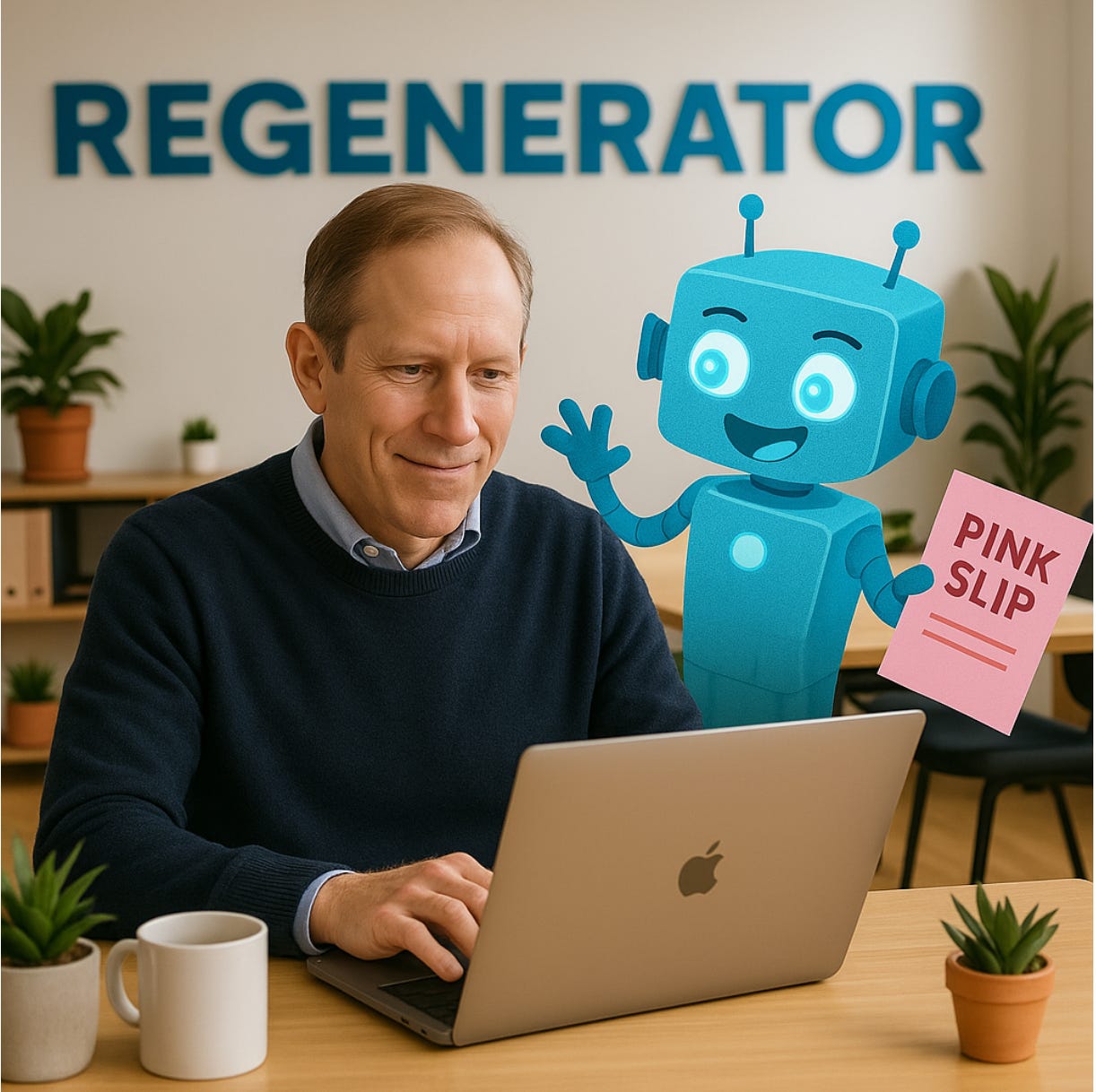
The article explores the impact of AI on knowledge-based professions, noting that AI can now produce research reports faster and more cost-effectively than many human researchers. While acknowledging AI’s limitations compared to top human experts, the author emphasizes that the integration of AI into newsrooms and professional environments can significantly enhance productivity and efficiency, urging…
-
The Agentic Web and Original Sin
Ethan Zuckerman argues that the reliance on advertising as the internet’s primary business model has led to privacy issues and manipulation of online experiences. Marc Andreessen, reflecting on the web’s early days, suggests that the absence of built-in payment systems forced this model, while others argue the trade-offs have been largely beneficial, allowing free access…
-
The future of advertising: fragmented discovery tools and premium live sports | Avi Spivack posted on the topic | LinkedIn
The article discusses the potential transformation of advertising from the « open web » to a fragmented set of discovery tools within five years, as suggested in a conversation with Laura Carrier and echoed by Tod Sacerdoti. This shift could result in a disjointed landscape for CMOs, with new consumer starting points like Gemini, Chat, and Perplexity;…
-

Vibe Coding: The Future of Code or Just a Mood?
Vibe coding » is an emerging trend in software development that emphasizes mood, experience, and fluid interaction over traditional coding structures, using technologies like large language models (LLMs), voice-to-code platforms, and AI-integrated IDEs to create a more intuitive and immersive programming environment. While technologies from companies like GitHub, Replit, and Meta are pushing the boundaries of…
-
Be the Swiss Army knife of venues
Hyatt has strategically incorporated Peloton exercise bikes into their hotels and introduced a loyalty system where guests can earn points for using them. This innovative approach leverages the enthusiasm of Peloton users and provides a unique fitness offering, potentially inspiring other hotels to enhance their gym amenities creatively.
-
Is your company good to grow?
The McKinsey Classics newsletter, celebrating the 60th anniversary of the *McKinsey Quarterly*, highlights various growth strategies companies can adopt, emphasizing the importance of leveraging multiple routes rather than relying solely on innovation. According to an article by Duncan Miller and Ryan Paulowsky, businesses are categorized into three growth profiles—investors, creators, and performers—with successful companies often…