Never loose sight of your core customers.
Have you heard about the Hubs Life controversy?
HubsLife is a content creator vlogging his boring “DIML as a 9-to-5 worker.” The content is dull by design: we watch him getting ready for work, sitting in his cubicle, or eating lunch. It pulls millions of views. Why? Because it’s relatable. We see ourselves in that guy. We share the videos with friends because they’ll get it too.
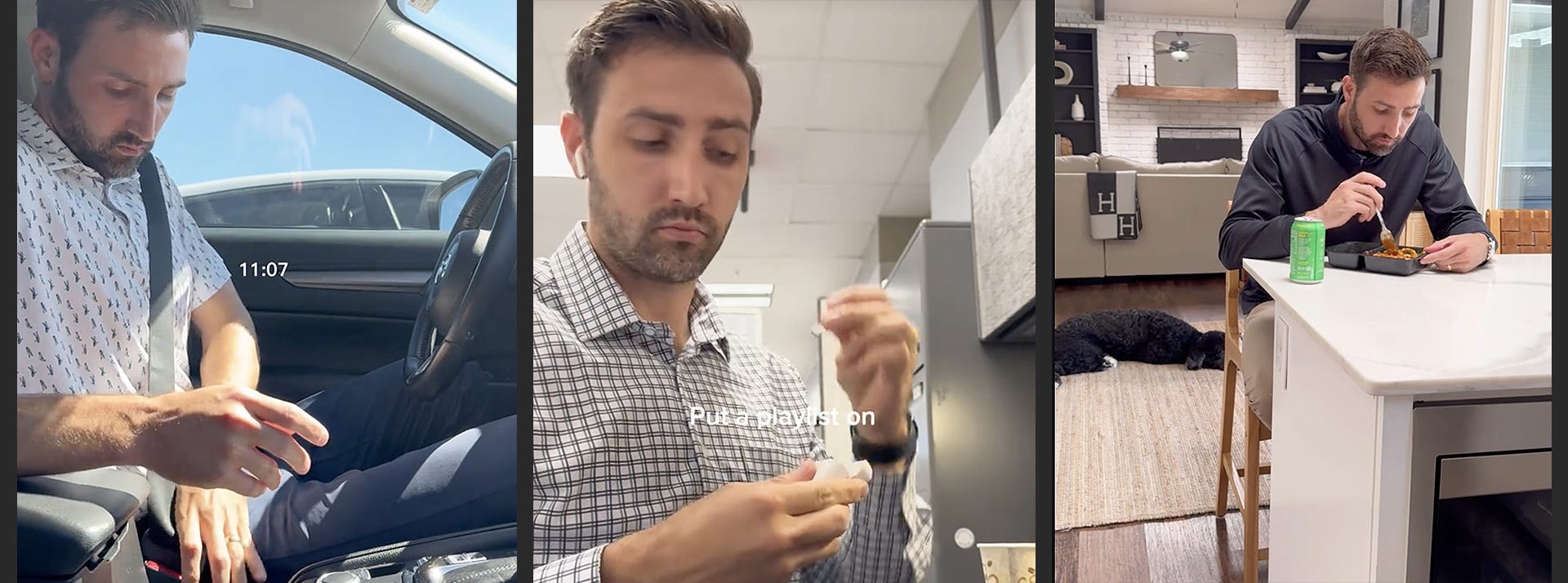
But here comes the drama: HubsLife’s content worked so well that he doesn’t have to do the 9-to-5 anymore. He recently announced he’s quitting his job to focus full-time on content creation. The public didn’t take it well. The comment section says it all: “Nah we’re here to watch you struggle with us c’mon,” and “Your success was based on being relatable to us normal 9-to-5 people. With your content, it felt decent to do normal work. The fact that now even you are leaving 9-to-5 shows us we are worth nothing.”
He’s not the first. Many influencers, when they rise to fame, start shifting their lifestyle, from hustling like the rest of us to cruising through five-star hotels and brand-sponsored events. That’s when resentment kicks in, and OG fans start to drift. I’m not into the influencer world so I don’t really know what happens to their personal brand when they lose touch with their core base, but in marketing, there are plenty of examples of brands that stray too far from their ICP and pay the price.

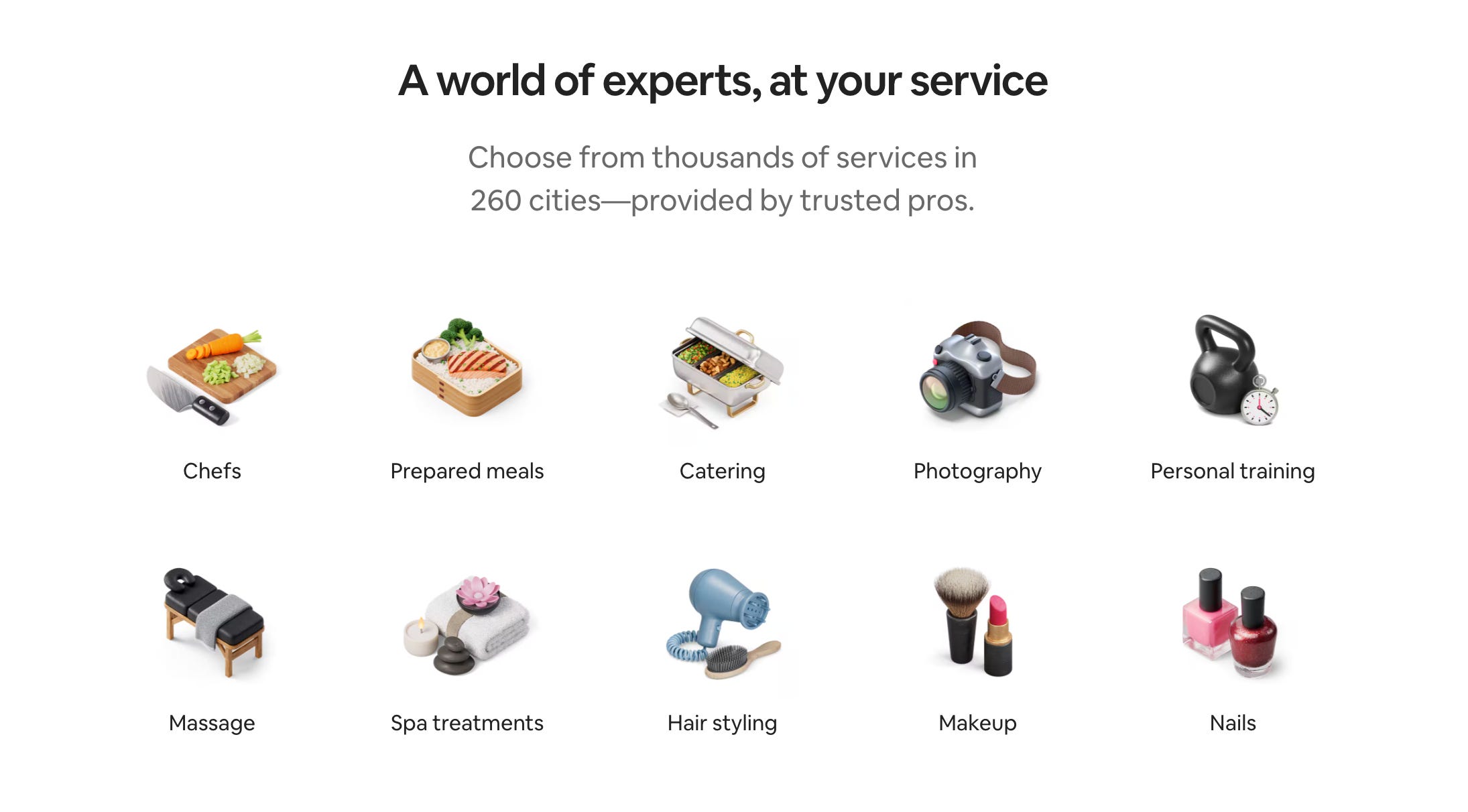
Losing touch with the core base is exactly how I felt reading the Airbnb Summer Release 2025. The whole promise of Airbnb was not to be a hotel. After COVID, Brian Chesky himself went all-in on the idea of going back to Airbnb’s roots, making sure rooms were affordable, even if that meant sharing the space with the host. It made even more sense while hotel prices were skyrocketing during the revenge travel era. Their online ads leaned into this too: Airbnb is not a hotel. It’s a shared space with friends. So why, just two releases later, does the narrative switch to becoming a hotel lookalike? Becoming exactly what they said they were fighting?
Services themselves aren’t a bad idea. When I first read the title, I was excited. I even wrote this week about how great it would be to have groceries delivered to your Airbnb before you arrive. It makes sense to verticalize the offering and reduce travel friction. But a private Michelin-star chef? Who’s renting an Airbnb and having a Michelin-star dinner? Seriously, who? I want to be your friend.
described her Airbnb spring break in
’s newsletter like this: “Our Airbnb smelled like sunscreen and beer, and although it was meant to house ten, there were sixteen of us staying there.” Now that’s relatable. That’s the Airbnb I know.
This isn’t even the first time Chesky’s gone niche to the point of losing the community. Remember Icons from the last release? Probably not. When was the last time you rented an Airbnb classified as an Icon? Probably never. It was a cool marketing stunt, sure, and it got a couple of weeks of PR. But then? Nothing. To me, Icons felt like the BBQ ads with Snoop Dogg, everyone screams “Genius!” until we realize it drove zero sales and the marketing director got fired.
And these moves are even more questionable when you consider the backlog of real demands from Airbnb owners and guests. First rule of marketing: listen to your customers. First rule of product: listen to your customers. Even if one release per year feels slow, I’m not worried, Airbnb can pivot again and bounce back. These comments aren’t coming from hate. I’ve got deep respect and admiration for what they’ve built, very few companies have changed the travel industry like Airbnb. But Peter Fabor summed it up well:
“It must be frustrating for all landlords and businesses dependent on Airbnb to see how they chase gimmicks instead of focusing on the core service.”
Not all is bad in this release (unlike the Icons one…), and honestly, I think beyond the niche angle, Airbnb is in a much better position than Uber or Google to become the best super travel app out there. They need to expand into more widely-used services, things that are actual pain points for guests, like groceries or parking. Once done, it’s easy to imagine they won’t stop there. Think: train tickets, car rentals, restaurant reservations, Broadway shows.
Shifting from booking a stay to building an itinerary is a smart move. It reinforces the idea that a trip is a sequence of micro-moments, and the outcome goes beyond finding a bed, it’s about time well spent. With experiences and services, Airbnb can already capture and map most of our in-stay time. Now, they need to go broader, to capture our time outside the stay. Transportation to airport / train station is the most obvious one, but they could go as far as capturing our rent. Imagine Airbnb as a landlord, when you travel your house can be automatically rent in the app, paying for your holidays.
Maybe Brian Chesky does live a niche life made of basketball court side tickets and Michelin-star chefs so this improvement make sense to him, but the rest of us, the bulk of his two billion users, not so much. We are still in hustle mode and we relate to each other by sharing pictures of row 33B of a plane.