Beyond Luxury
Last weekend, as the roar of engines filled the air at the Australian Grand Prix, we were reminded of just how far Formula 1 has come. The 75th anniversary season is already shaping up to be one for the history books, keeping many of us up, eager to see what the future of the sport holds.
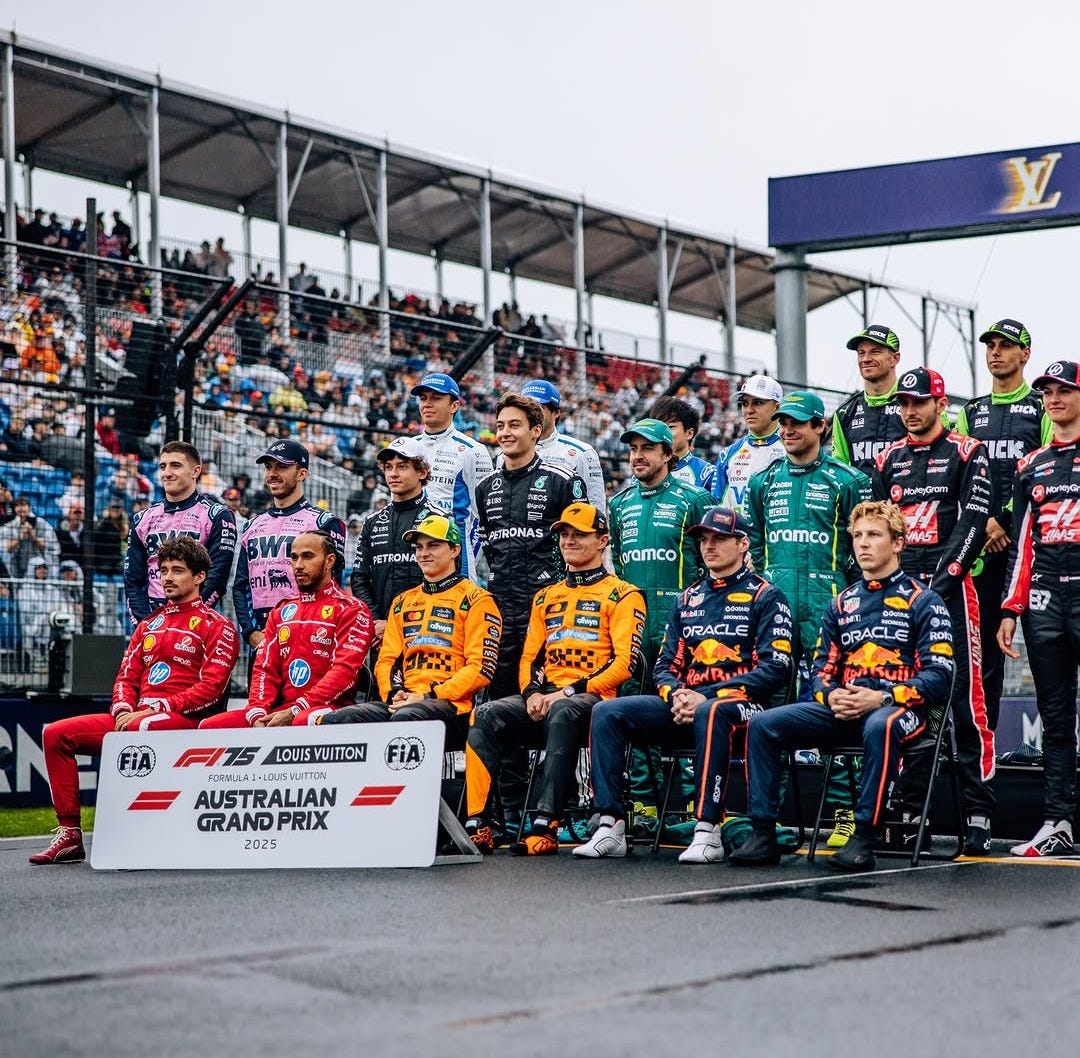
I grew up waking to the zoom of F1 cars at 6 AM, watching races with my dad in our living room on a Sunday morning. The TV blared, the sound of screeching tires echoing through the room. It was more than just a sport for us, it was a shared moment over breakfast, a ritual of sorts.
At the time only a select few that were true fans of the sport. But today, I can’t help but wonder about the rise of F1 in our current generation. What was once a niche, adrenaline fueled passion has now become a fully established global phenomenon that is shaping not just sports, but the luxury industry itself.
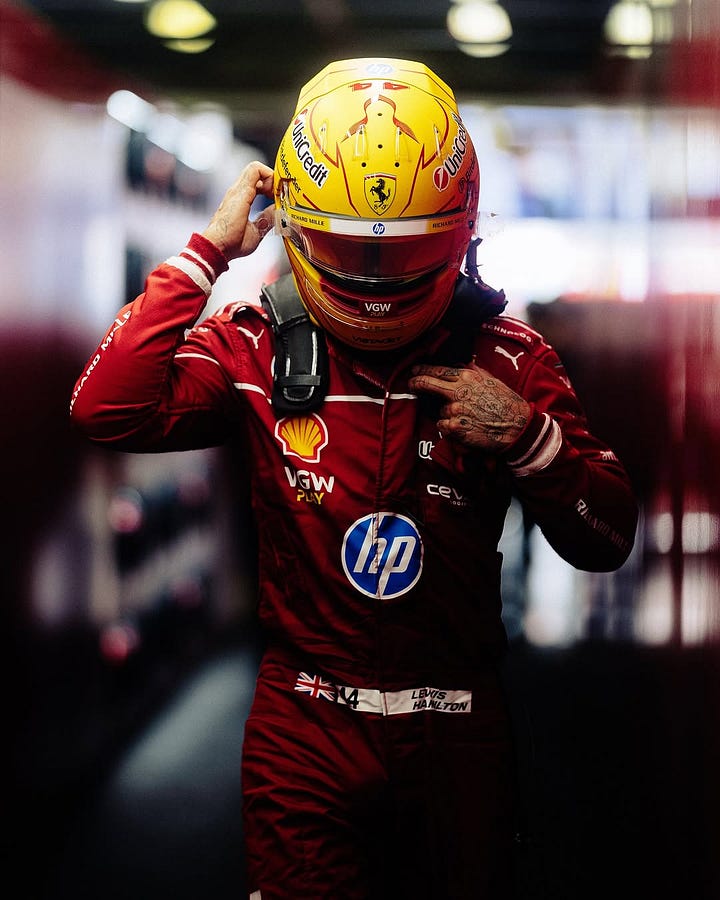
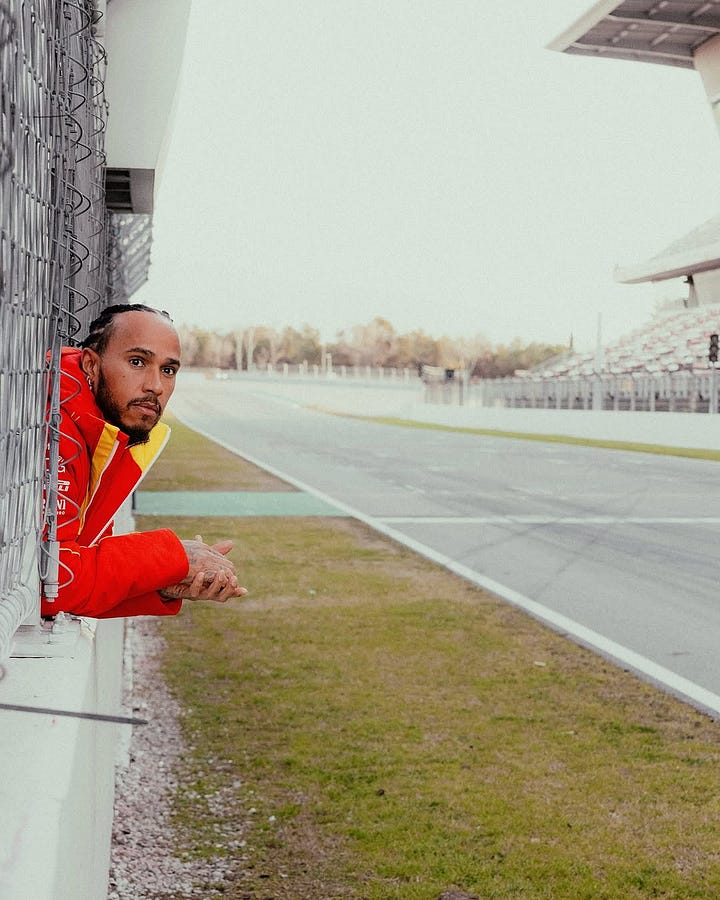
We’ve seen it all, the legacy of greats like Ayrton Senna Michael Schumacher. But we’re also witnessing the passing of the torch.
The 2025 season is upon us, with seven time champion Lewis Hamilton joining the sport’s most famous and accomplished team, Ferrari. And while Red Bull and Max Verstappen have dominated the past four years, new faces are joining the grid, like the 18-year-old Mercedes prodigy, Andrea Kimi Antonelli. This shift in generations, the blending of history and future, signals a new chapter for the sport, one that blends with the world of luxury, innovation, and a new kind of celebrity.
Formula 1 is no longer just a sport or the excitement of a race, it’s a masterclass for the luxury industry, and we’re all here for it.
Lesson #1- The Formula 1 Partnership Evolution
Formula 1 has become an increasingly desirable platform for luxury brands. High end fashion houses, watchmakers, and automotive giants recognize the sport’s ability to elevate brand prestige and connect with a global, affluent audience. F1’s combination of high performance engineering, exclusivity, and elite appeal makes it a prime venue for brands to reinforce their image of excellence.
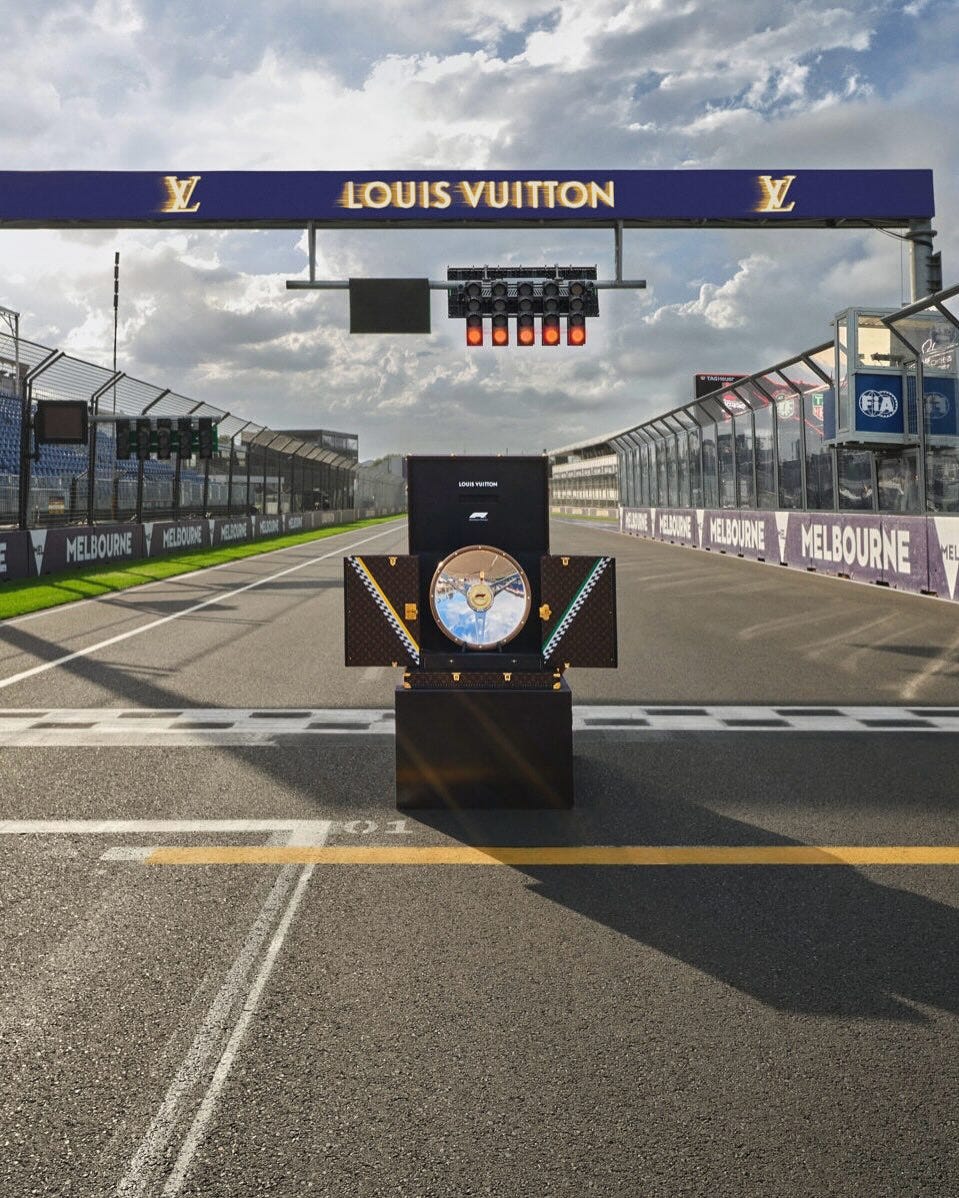
In recent years, luxury sponsorships have surged as brands aim to align with F1’s cultural and lifestyle status, rather than just its motorsport identity. A prime example of this is LVMH’s partnership with Formula 1, which started this season with a 10 year agreement. This sponsorship includes several of LVMH’s Maisons: Louis Vuitton, Moët Hennessy (including Moët & Chandon, the Official Champagne of F1), and TAG Heuer (the Official Timekeeper). Through this partnership, LVMH’s brands integrate their expertise in luxury, craftsmanship, and performance with the world of motorsport, providing fans and clients with unique experiences that blend sport with elegance. Moët & Chandon, in particular, adds a celebratory touch to the F1 experience, emphasizing luxury and exclusivity, while also expanding the beverage category’s presence in the sport. Additionally, the rise of non-alcoholic options, such as Peroni Nastro Azzurro 0.0% in partnership with Scuderia Ferrari, is further diversifying the beverage segment’s engagement with F1’s global audience.
LVMH’s role includes creating bespoke trophy trunks for major Grand Prix events, combining heritage with innovation. Louis Vuitton’s signature “V” for “Victory” is integrated into the Monogram canvas, representing the sport’s spirit of prestige and success. Additionally, Louis Vuitton was the title partner for the first race of the season in Melbourne, which was named the Formula 1 Louis Vuitton Australian Grand Prix 2025.
Actions like LVMH leverage F1’s global visibility to create limited edition products that appeal to younger, tech savvy consumers. With F1’s expanding fanbase, especially among women and millennials, luxury brands are engaging with this growing audience in new ways, capitalizing on the sport’s increasing popularity.
The crossover between motorsports, fashion, and performance driven aesthetics continues to grow. Luxury automakers like BMW and high fashion houses are collaborating to merge speed with style, enhancing the F1 lifestyle. F1 drivers are part of this shift as well. Lewis Hamilton, for example, is involved with luxury brands such as Rimowa as well as being the new face of Lululemon, a partnership that generated $1.5M in Media Impact Value in just 48 hours, according to Launch Metrics.
In addition, Submarine.ai data shows that F1 content is reaching large audiences, with about 93 million views on major video platforms when it comes to branded content. These partnerships often lead to limited edition merchandise and exclusive events, allowing luxury brands to interact with consumers in innovative ways. By embracing collaborations and digital platforms, brands are connecting with younger, performance focused audiences. This helps position them as part of a lifestyle that appeals to modern consumers’ desire for status, innovation, and exclusivity.
As F1 and luxury brands continue to evolve together, it is an exciting time to wonder what’s next for the future of this relationship. How will luxury brands and motorsport, or even sports in general, continue to shape our perceptions of status, performance, and lifestyle in the years to come?
Lesson #2 – F1: Where Human Craft Meets High-Tech Machines
Formula 1 became more than high-tech machines, it’s a sport that demands constant planning, preparation, and precision, with the athlete’s body and mind playing a crucial role. While the sport often focuses on short term victories and immediate performance, true success in F1 requires long term preparation and discipline. Drivers must maintain a structured routine to sustain peak performance, and without a solid plan for continuous improvement, the pressure of the sport can quickly derail even the most talented.


One of the toughest challenges in F1 is the extreme heat inside the cockpit. Drivers can lose up to 4 kilograms of water weight during a race due to intense temperatures and physical exertion. Hydration is critical to keeping energy levels up, as staying properly fueled is key to managing the grueling demands of race day. Physical preparation also targets muscles, especially the neck, to withstand the G-forces during corners. Additionally, cardiovascular fitness and breathing techniques help drivers stay sharp under pressure, enabling them to perform consistently over time. It is all connected.
F1 is a masterclass in balancing short term performance with long-term achievement. While the sport demands instant results, it is the sustained commitment to physical conditioning and strategic planning that enables drivers to achieve greatness over the years. In a sport driven by technology, it is the human element,the mind, the body, and the years of preparation, that makes the difference between fleeting moments of success and lasting legacy.
Formula 1’s blend of high-tech precision and the human element offers a compelling lesson for both the luxury and wellness industries. Just as F1 drivers dedicate themselves to long-term physical and mental preparation for short term victories, luxury brands and wellness companies can learn from this mindset. By focusing on sustained growth and continuous improvement, they can build a path to achieve more immediate success and build long-term legacy.
Lesson #3 – F1: From Racing Circuit to Cultural Phenomenon
Formula 1 is no longer a sport, it’s now a global lifestyle phenomenon, largely fueled by Netflix’s Drive to Survive. The show has brought F1 into the homes of millions, especially GenZ and millennials, expanding the sport’s fan base. As a result of a connected generation and culture, drivers like Lewis Hamilton have gained massive celebrity status, with Hamilton boasting over 39 million followers on Instagram. His influence goes beyond the racetrack, making him a global icon whose reach extends far into fashion, philanthropy, and popular culture.
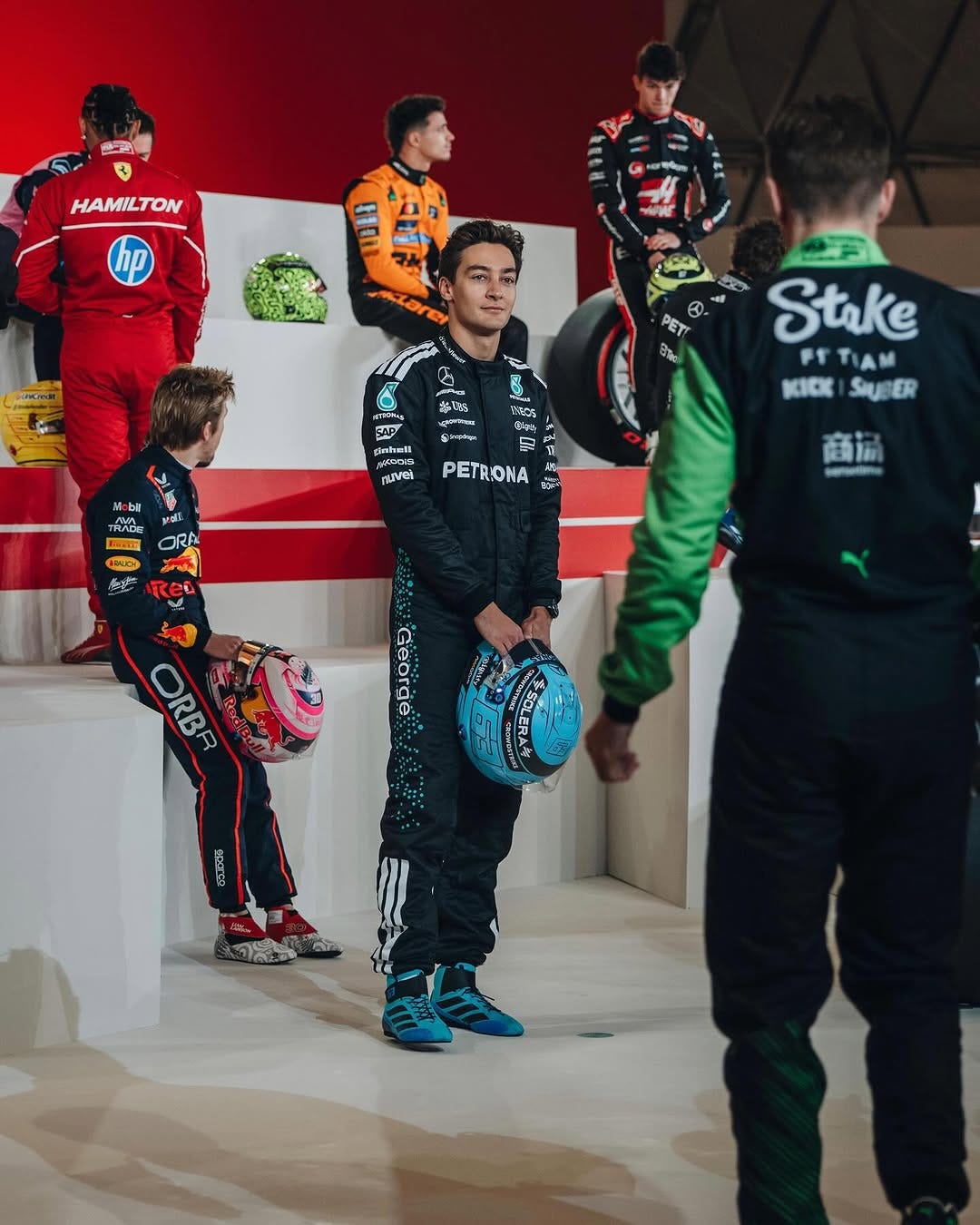
What audiences are now craving, however, is more than just the glitz and glam. They want to know the behind the scenes struggles, the intense competition, and the rivalries between drivers fighting for the top spot. The personal stories, challenges, and battles that unfold in the pursuit of victory have become an integral part of the F1 narrative.
With F1 drivers now household names, sports are increasingly seen as a lifestyle, transforming racers into celebrities well beyond the racetrack. The upcoming Brad Pitt film, co-produced by Hamilton, is set to boost this transformation even further. This film will offer fans a deeper look into the world of F1, captivating a wider audience and reinforcing the notion that F1 drivers are not just athletes but cultural figures.
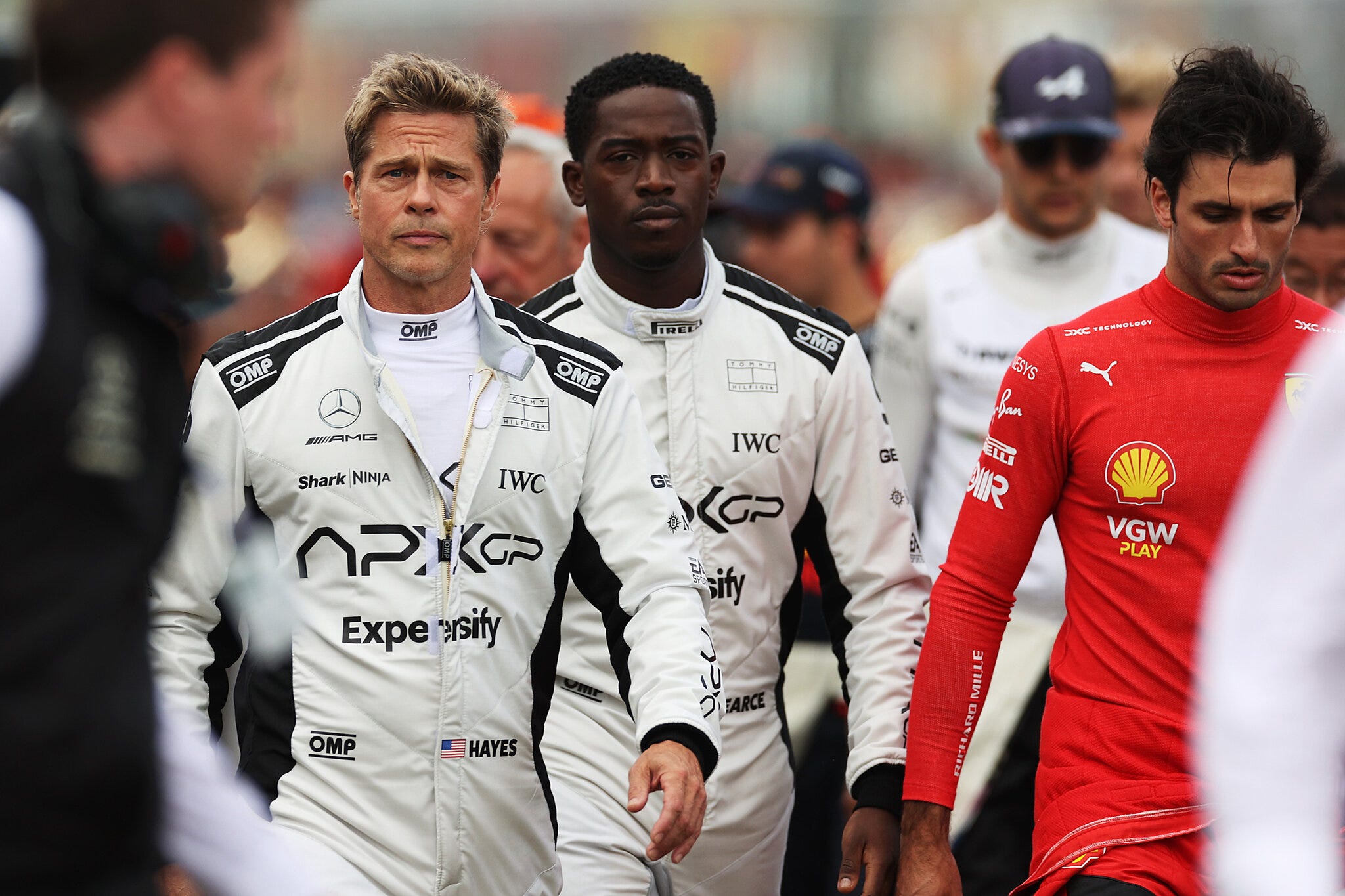
Sports, especially Formula 1, besides the victory and results, is also about the pursuit of dreams, the endless desire to improve, and the performance that turns individuals into icons. By showcasing the struggles, triumphs, and intense rivalry between athletes, F1 and similar sports push the narrative of becoming better, of never settling, and of pushing boundaries.
This connection between athletes and audiences, grounded in shared aspirations, resonates deeply with the desire for luxury, status, and the pursuit of excellence. Through these journeys of transformation, sports continue to cultivate heroes while inspiring millions to dream big and reach for their own peak performances.
In this modern era, the true GOATs (Greatest of All Time) in sports are the new celebrities, icons whose influence extends far beyond the arena, shaping culture, luxury, and lifestyle.
Lesson #4 – F1 as a Global Lifestyle Adventure
Formula 1 has also transformed into a global travel experience, with fans planning their trips around race weekends. Iconic events like the Monaco Grand Prix, Singapore’s night race, and the Mexico City GP are not just a matter of motorsport, they offer unique cultural experiences. The Monaco Grand Prix is renowned for its luxury and celebrity filled atmosphere, while Singapore’s skyline creates a stunning backdrop for the race. The Mexico City GP stands out with its vibrant street food, lively cultural scenes, and festive atmosphere that spills over into the city.
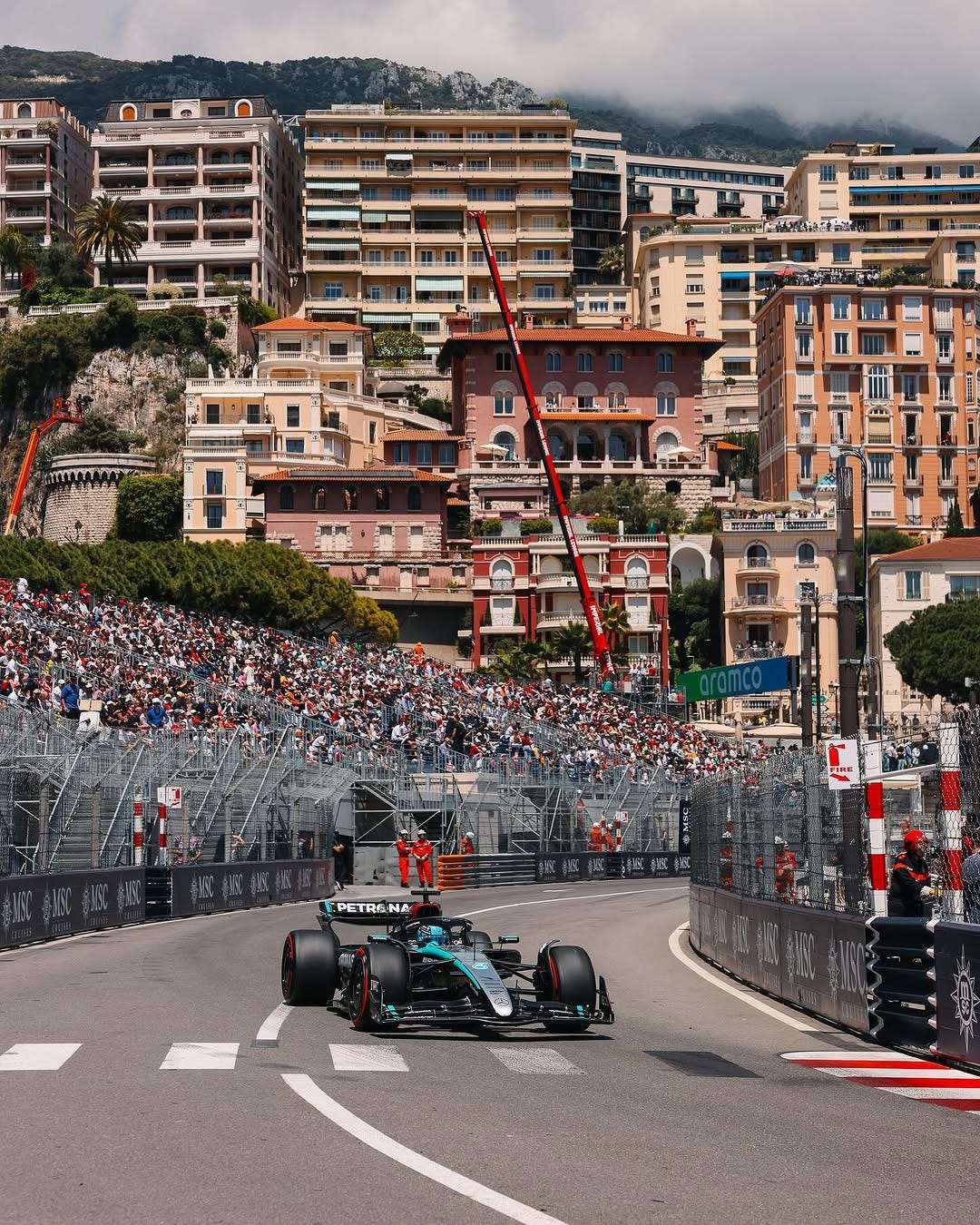
To enhance the experience, exclusive travel packages have been introduced, offering fans VIP access, behind the scenes tours, and supercar driving adventures. Luxury cruises, such as those offered by Regent Seven Seas, pair the thrill of F1 racing with the elegance of a high-end cruise, allowing guests to enjoy exclusive access to the races, private car collections, and more.
With races expanding to new locations like Qatar, and potential future events in cities like Madrid, Formula 1 fans have even more opportunities to explore the world while indulging in their passion for the sport. F1 has truly become more than just a race, it is a global lifestyle and an adventure for fans everywhere.
As the sport continues to blend with luxury, the potential for exclusive experiences and brand partnerships grows, creating new possibilities in travel, hospitality, and custom tailored offerings. The fusion of world class racing and luxury living presents fans with a rare opportunity to live out their dreams while enjoying the finest experiences. In many ways, Formula 1 has become the ultimate playground for those seeking the perfect blend of speed, sophistication, and unforgettable moments.
Imagine stepping into a custom F1 experience, where you simulate a high speed lap in a state of the art cockpit, feeling the G-forces and thrill of the race from the driver’s seat. Next, picture a wellness retreat designed for F1 drivers, where you experience the same physical treatments and hydration protocols, rejuvenating like a champion. Or perhaps, you’re immersed in the engineering world of F1, learning from experts about the meticulous design process behind each car, gaining firsthand insight into the high performance technology.
These infinite possibilities of experiences are blurring the lines between motorsport, luxury, and personal aspiration. As F1 continues to evolve, one thing is clear. From now on, anything is possible.
Lesson #5 – Women at the Wheel and Beyond
Formula 1 has long been a male dominated space, but a significant shift is happening as more women step into the spotlight both in the pit lanes and as passionate fans. In recent years, the visibility of women in motorsport has grown, enhanced by platforms like Netflix’s Drive to Survive, which has introduced the sport to a wider, more diverse audience.
Women now make up about a third of Grand Prix attendees, a noticeable increase from the 20% before the series aired in 2019. But while Netflix’s show is an important catalyst, the rise of content creators like Amy Pejkovic on platforms such as TikTok is also shaping a new wave of female engagement with the sport. These influencers, with their beginner guides and race day vlogs, bridge the gap between fans and the male dominated world of F1, making the sport more accessible and welcoming for women, especially for young girls of color who might not have seen a place for themselves in motorsport.
This newfound visibility is not limited to fans alone. Female drivers like Aiva Anagnostiadis are emerging as role models in the industry, further driving the message that women can compete at the highest levels of motorsport. Aiva, a 17 year old Australian, is one of two women representing Australia in the F1 Academy in 2025.
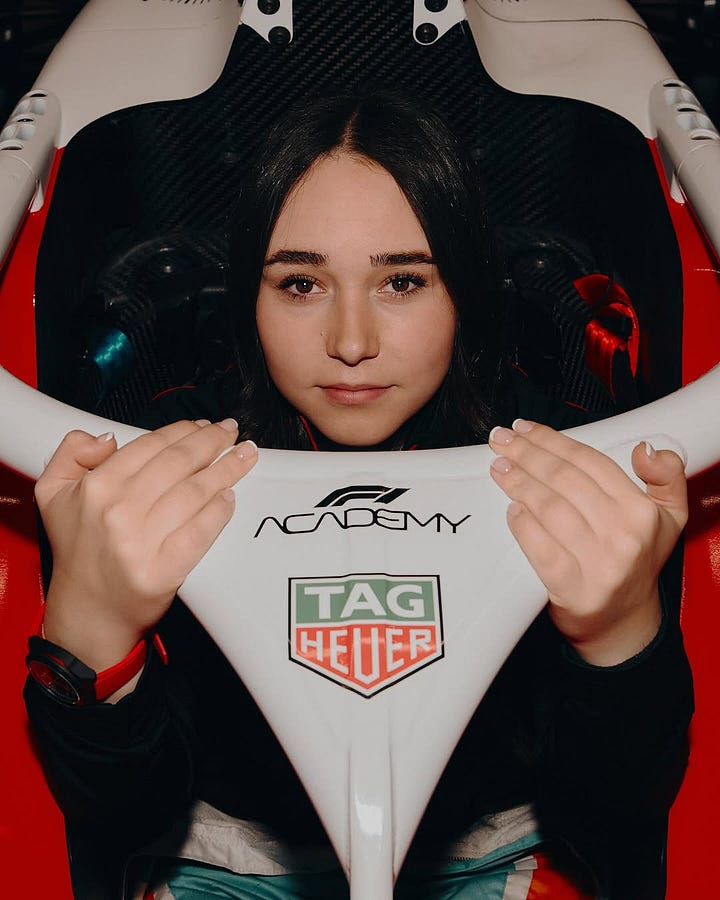
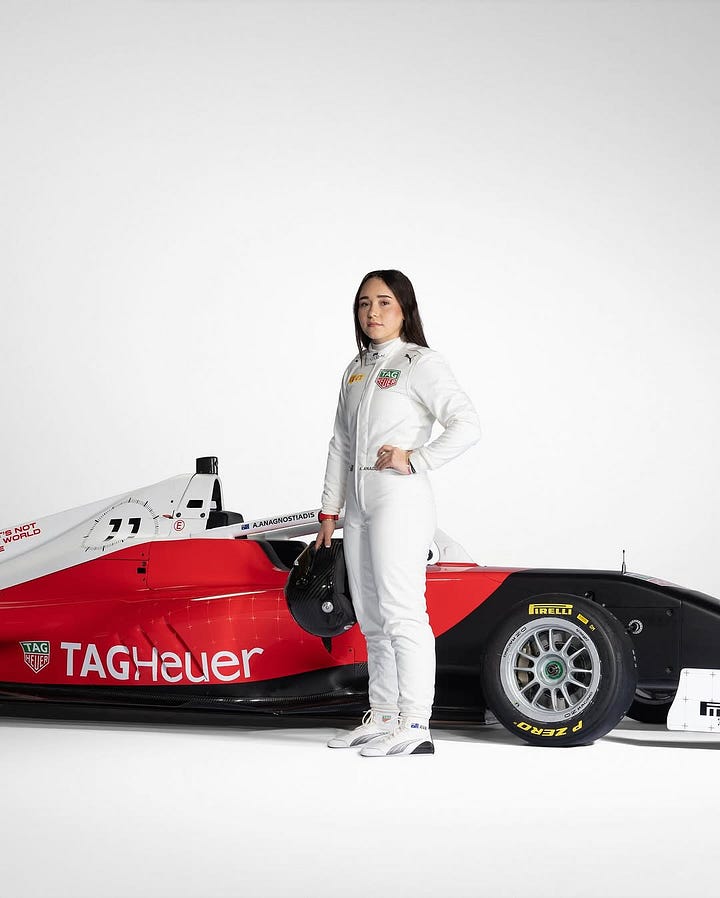
As a part of the Hitech Grand Prix team, Aiva is breaking barriers, encouraging more girls to follow their passions, whether on the track or behind the scenes. With the support of high profile sponsors like TAG Heuer and Tommy Hilfiger, the F1 Academy is set to continue elevating female talent, providing a platform where women can rise through the ranks and perhaps one day compete in Formula 1.
The integration of women into motorsport doesn’t just end with drivers, it’s expanding into every aspect of F1, from engineers to team management. Despite challenges like the lack of on screen representation, content creators and women in the sport itself are making significant strides to change perceptions. The demand for diversity and inclusivity in the sport is growing, and the luxury brands that sponsor F1 are paying attention. With teams like Aston Martin launching initiatives like the TikTok Creator Collective and major sponsorship deals supporting the F1 Academy, motorsport and luxury are coming together to amplify the presence of women in the space.
As more women are seen in the paddock, in the stands, and behind the wheel, F1 is on the brink of becoming a more inclusive and dynamic space, paving the way for the future of motorsport as both a sport and a lifestyle.
What’s Next for F1 and Luxury?
As we look ahead, it is important to consider not only what Formula 1 is today, but what the future holds for this dynamic fusion of speed, innovation, and luxury. The sport is evolving, reshaping how we view motorsports and also how we experience luxury, performance, and culture. With new generations of drivers, groundbreaking technology, and powerful partnerships with luxury brands, the future is brimming with possibilities.
So, what should we keep an eye on?
Definitely we’ll be seeing more flirtations happening between sports and luxury as brands continue to push boundaries with experiential marketing and high tech collaborations. And, we will also witness a new era of fan engagement, where global audiences feel even more connected to the sport, its stars, and the brands that sponsor them.
The influence of F1 is only set to grow, offering luxury the chance to learn from it and redefine its place in this fast paced, adrenaline fueled arena.
The exciting part is that we’re all part of this journey. As fans, consumers, and collaborators in the luxury industry, we have a unique chance to shape what’s to come. The race is far from over, and we’re all part of the pit crew driving F1 toward new horizons. Driving luxury to new horizons.
So, let’s imagine together, what will F1 look like in the next five, ten, or twenty years? How will the luxury brands we know and love continue to evolve alongside the fastest sport in the world? The finish line is just the beginning, and we’re here for every twist and turn.

Note, that this is an opinion piece by Carolina Soares, Head of Content and Business Intelligence, with the guidance and endorsement of Carlota Rodben, Founder & CEO.
Carolina Soares is the Lead Editor & Insights Manager at Beyond Luxury, a Beauty & Fashion Brand Consultant, and a former Googler. A native Brazilian with a deep passion for cultural fusion and languages, she grew up speaking English and Italian. Carolina spent 11 years at Google, focusing on data analysis within the beauty, wellness, and fashion sectors. Her role allowed her to work with global teams and in France, and she also spoke at industry events and served as a media spokesperson. This experience enriched her understanding of luxury and innovation
Raised in a nature-centric culture, Carolina views health as the ultimate luxury. After leaving Google, she recognized the need for a neutral voice to bridge the gap between the beauty industry and consumers. Today, she collaborates with brands and shares her insights through platforms and podcasts, working to redefine luxury and beauty.
Carlota Rodben is an author, entrepreneur, advisor, and podcaster specializing in futures and innovation in the luxury industry.
She is the CEO and Founder of Beyond Luxury Group, Co-Founder and COO of Memora, a stealth-mode startup at the crossroads of luxury, tech, and impact, and the host of the Beyond Luxury podcast, a Top 25 podcast worldwide in its category. She is also the author of two industry best-selling books, Beyond Luxury: The Promise of Emotion and Beauty As It Is.
Carlota began her career at CHANEL, where she created and led the Open Innovation Team in Europe. She later transitioned to the Global Open Innovation Team at the brand’s headquarters in London, where she managed New Concepts.
Known for advancing the conversation about the future of luxury through the lenses of technology, and sustainability, and experience. Carlota’s books ‘Beauty As It Is’ and ‘Beyond Luxury: The Promise of Emotion,’ along with the Beyond Luxury podcast, are essential guides for navigating the luxury industry today.
She also serves as an advisor and consultant for institutions and multinationals, including Henkel, Beiersdorf, Muraaba, and Lufthansa Group, helping them build more desirable futures through Beyond Luxury Group.
The Beyond Luxury Substack in a proud partner of Submarine.ai, from David Klingbeil.