On artificial sweeteners, happy accidents, and sugar highs.
Todd Osborn (TO) is a United States Air Force Weapons Systems veteran. He is currently building a flight school.
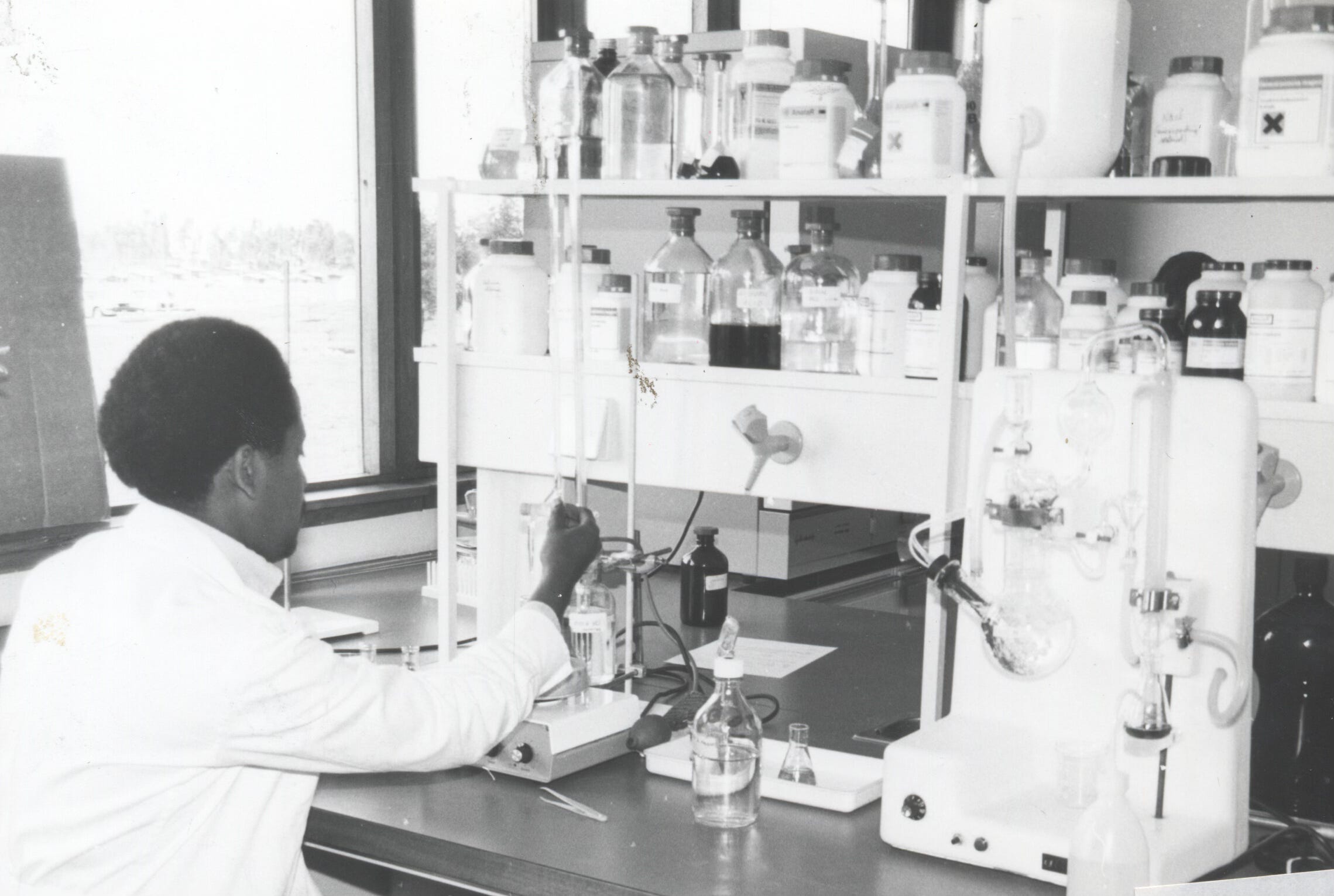
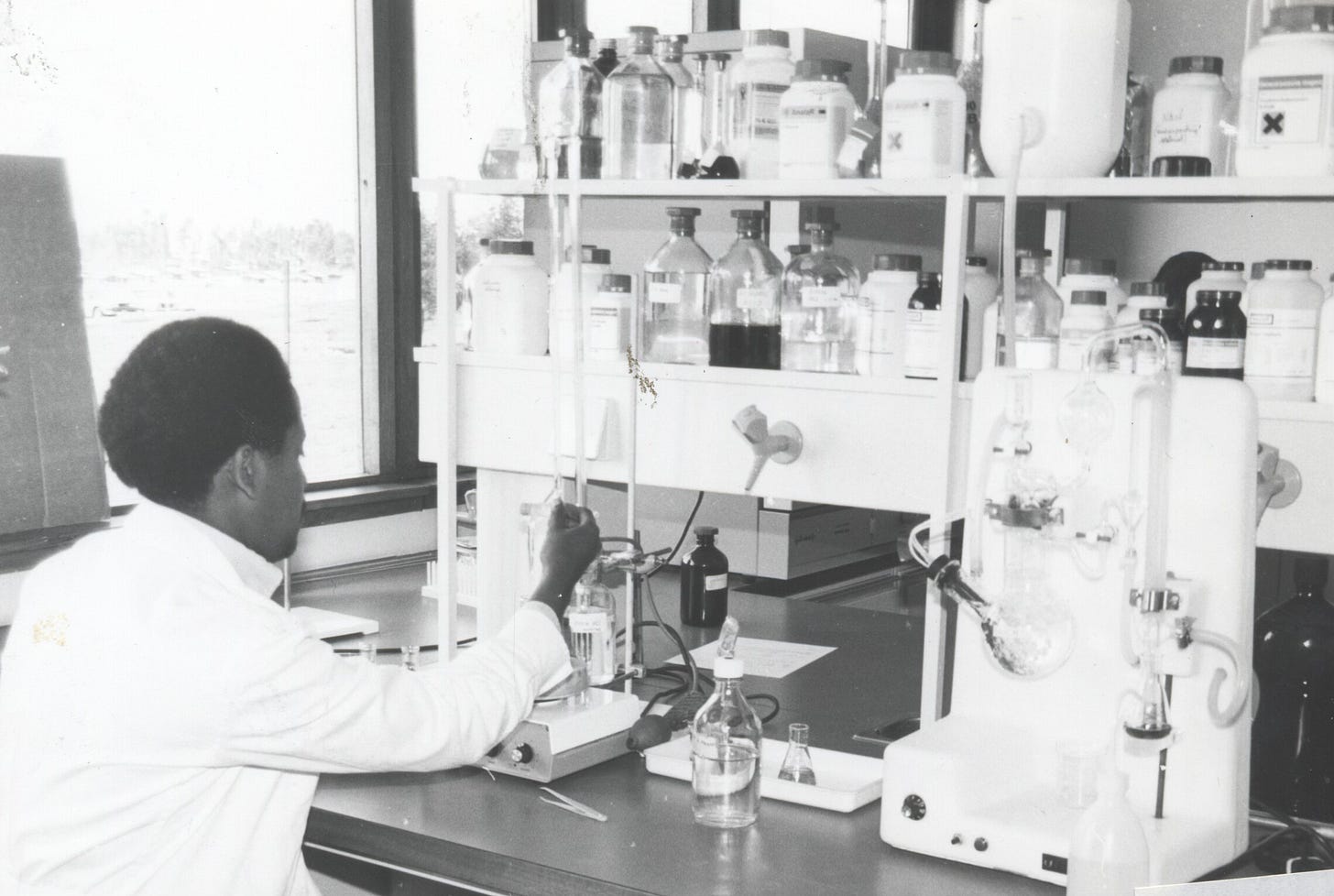
Todd here. Nearly every blockbuster artificial sweetener was discovered by accident. Saccharin was discovered in 1879, when Constantin Fahlberg skipped handwashing and tasted sweetness on his bread roll. Cyclamate (Sweet ‘N Low), when Michael Sveda’s cigarette picked up some residue in 1937. In 1965, Aspartame (NutraSweet, Equal) was come upon when James Schlatter licked a finger to grab paper, and Karl Clauss did the same two years later with Acesulfame K (used in Coke Zero). Sucralose (aka Splenda) started with a lab tech mishearing “test it” as “taste it.”
These molecules barely resemble sucrose structurally, and yet they hijack the same sweet receptors with intense potency. Mere micrograms of the right doppelganger scream “sugar!” to your brain. Chemists handle thousands of novel compounds a year via spills, vapors, and skin contact; most register nothing, but a few light up like a slot machine. Nearly all of the big artificial sweeteners came from accidents, while thousands of deliberate clinical trials have produced hardly any new hits.
Why is this interesting?
Lab spills beat billion-dollar assays. Not because recklessness is smart, but because humans are the ultimate high-throughput detectors. Your tongue tastes parts per billion. Clinical screenings test thousands of compounds deliberately, but chemists accidentally sample thousands more, constantly. Potent effects like sweetness, bitterness, and toxicity self-select at scales no robot or spectrometer can match.
Now, this is not an endorsement for lab roulette. Modern safety prevents it (for good reason). But it reveals something fundamental: breakthroughs often come from exposure to the unknown, not isolation from it. The sloppiest accidents seems to have beaten the cleanest hypotheses, and it’s not because chaos rules, but because reality reveals itself on human timescales, through human messiness.
Controlled screening finds incremental gains while accidents sometimes find revolutions. The next big molecule might already be drying on the edge of a forgotten beaker. (TO)