Mastering the economics of social shopping
Welcome to the Sociology of Business. In my last analysis, Lights, camera, IP, I unpacked how brands are adopting Hollywood’s production logic to build cultural portfolios, not just marketing calendars. If you are on the Substack, join the chat. With one of the paid subscription options, join Paid Membership Chat, and with the free subscription, join The General Chat on The Sociology of Business WhatsApp group.
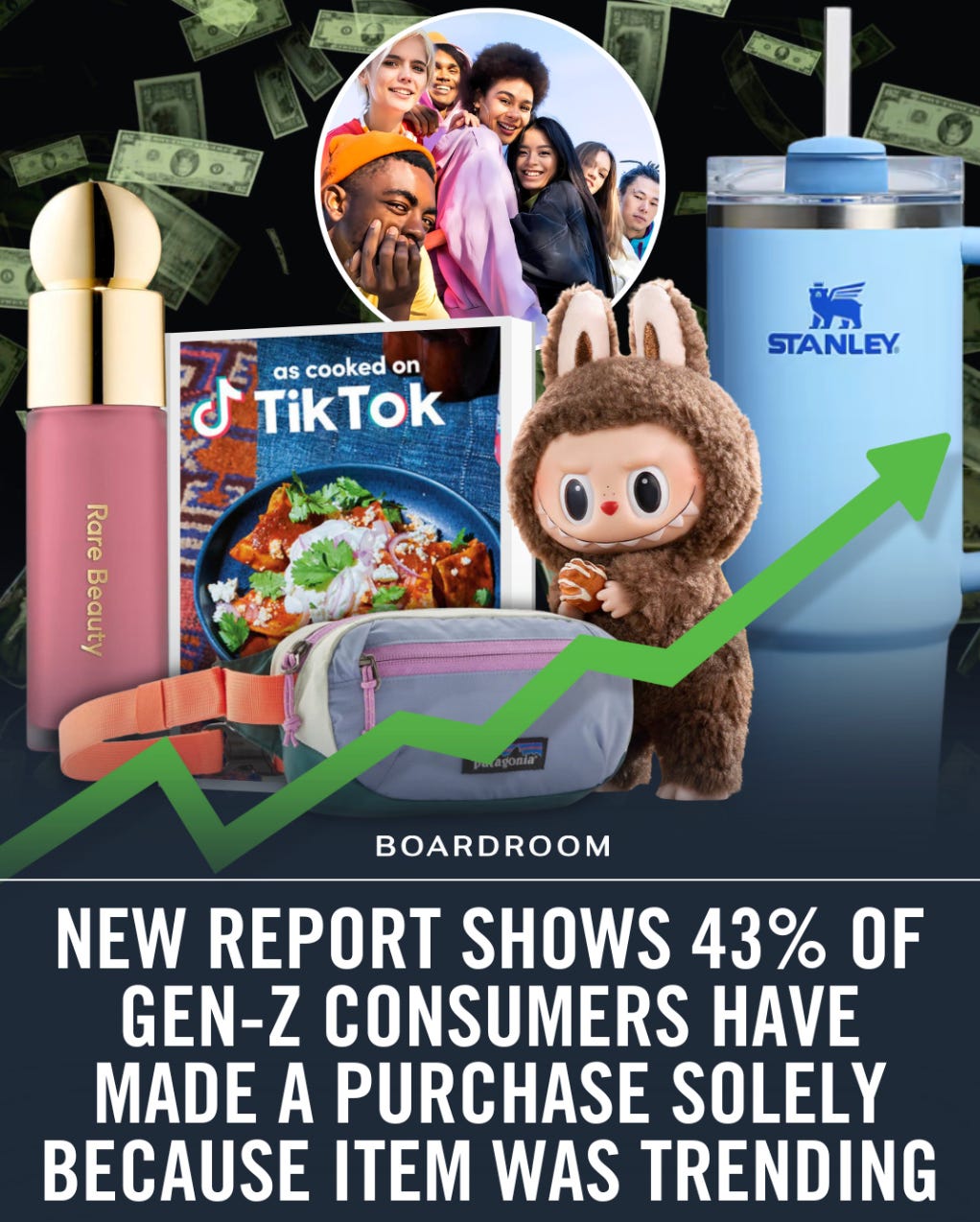
Culture drives commerce. Community fuels loyalty. Products are the currency of influence. Brands that orchestrate sellers, buyers and influencers in a social ecosystem create a dynamic flywheel of participation, cultural relevance, and growth.
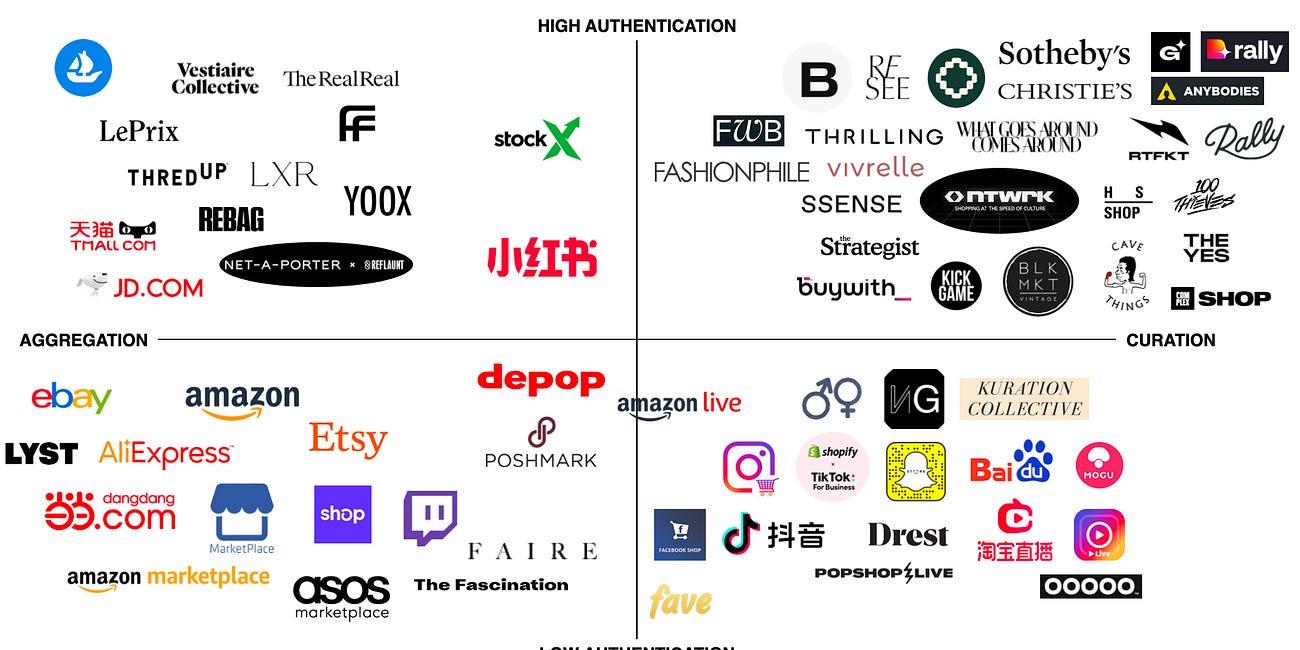
Social commerce is not a tactic: it is at the strategic center of modern retail. It’s where culture, community and shopping meet. Instagram, TikTok, eBay, Depop transform attention into transactions, social currency into economic value, and turn shopping into participatory, culturally contextual activity. Consumers buy a curated “look,” a taste, or a perspective, rather than a brand logo, and products define one’s social standing (a rare Labubu, a vintage find, an Erewhon smoothie).
Trends emerge organically from the creativity of ordinary buyers, micro-influencers, content creators and curators. Algorithms then amplify this effect, creating taste bubbles that extend product lifecycles and accelerate trends.
Social commerce mixes sellers, buyers, content, and influencers.
Sellers are storytellers and performers. They use content (narrative, live-streaming, drops) and community-building to enrich products with cultural currency. This turns products (Rhode iPhone case, Millionaire Speedy) into identity symbols. From TheRealReal resellers to MySephoraStorefront curators to multi-platforms, sellers promote their wares, provide proof of their authenticity, and build communities.

Buyers are active participants, not passive consumers. They seek discovery, style, taste, entertainment, and belonging. They can be connoisseurs that hunt for rarity, super-fans looking for connection, or casual scrollers looking for entertainment.
Influencers (commercial, curatorial or algorithmic) mediate value. They trade in multiple currencies, shaping trends, assigning desirability, and amplifying buyer and seller engagement. Commercial influencers drive direct sales. Curatorial influencers premiumize products by assigning them cultural meaning. Algorithms personalize discovery at scale. Together, these forces accelerate trend cycles and contextualize products within cultural narratives.

Shopping has never really been purely transactional. Now it’s ever more performative, cultural, and social. Seemingly ever purchase we make is a social and cultural act.
The new social commerce playbook is:
Integrate influence models: Use commercial influencers for direct conversion, curators for cultural savvy, and algorithmic personalization for scalable reach. Examples: Sephora, Nike, Adidas
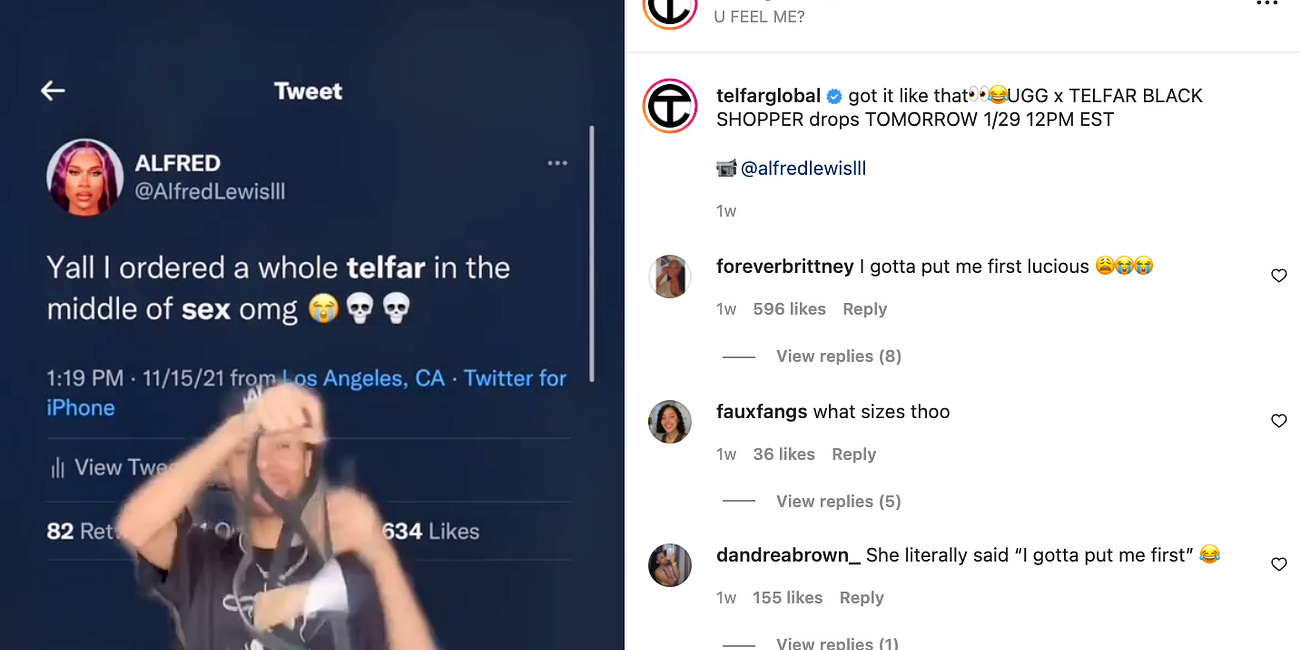
Embed products in culture: Position products as entry points into a broader ecosystem of experiences, collaborations, and belonging. Examples: Ralph Lauren, Telfar, Stone Island
Prioritize community: Membership, curated events, insider access, community leaders, and invite-only gatherings gain cultural, emotional, and social points through shared experiences and status signaling. Examples: Crocs, Lego, DuoLingo, Liquid Death
Adopt accessibility: Assign aspirational value to accessible products through community, identity, and participation. Example: Rhode, Burberry, Formula 1
Measure social capital: Track engagement, amplification, and cultural relevance of each of your channels, not just sales. Monitor social capital metrics as rigorously as financial metrics, as influence drives both culture and commerce. Examples: On, McDonalds, CashApp
The social commerce flywheel:
Participation: Buyers interact, share, and curate content and purchases
Visibility: Influencers and algorithms promote trends; sellers gain reach and community traction
Cultural value: Products and experiences are aspirational symbols, memes, and shareable social objects
Community: Micro-communities and membership programs foster shared experiences and belonging
Repeatability: Aspiration, membership, community, content, commerce, and culture all reinforce each other
The ultimate guide to social commerce
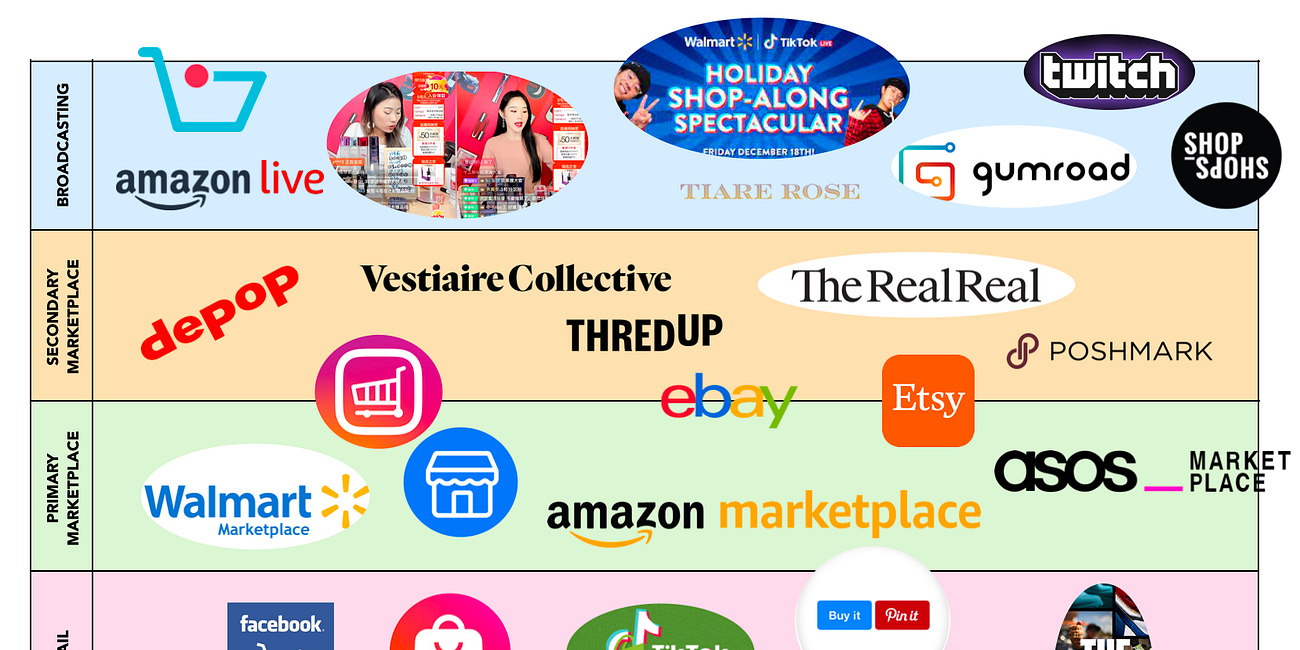
Where, how, and what we buy constantly changes. A scenario where we turn to Amazon Alexa to order “a dress that Dixie D’Amelio wore on her Instagram post from Saturday” may now be less far-fetched than buying that same dress, directly on Instagram, from Dixie D’Amelio herself.
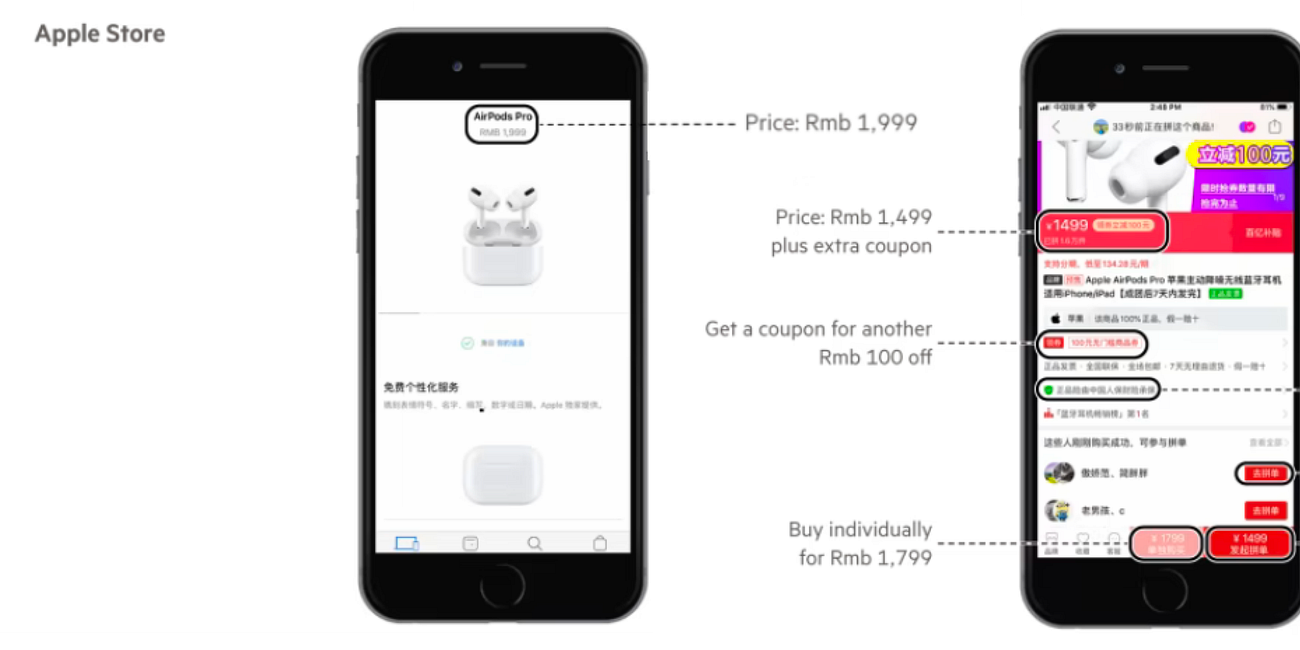
Play to buy: the gamification of shopping
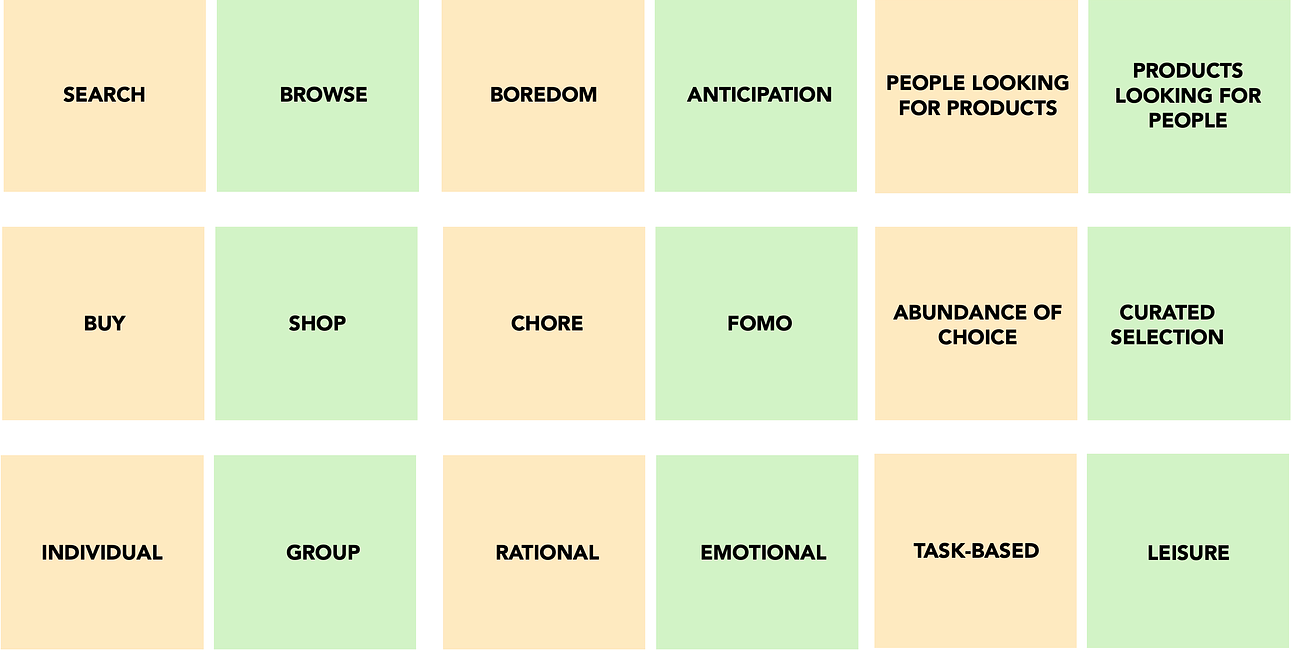
Welcome to the Sociology of Business. This is the first issue Sociology of Business with a paid membership program. Paid options are for the members of this community who want to be the first to access everything from Web3 brand-building to the new business models and emerging creative formats. Since its inception, the Sociology of Business has been the source code for many other analyses, strategies and brand-building approaches. Members will now have the front-row seat. If you are not yet subscribed, join the community by subscribing below and joining
Fundamentals of group buying
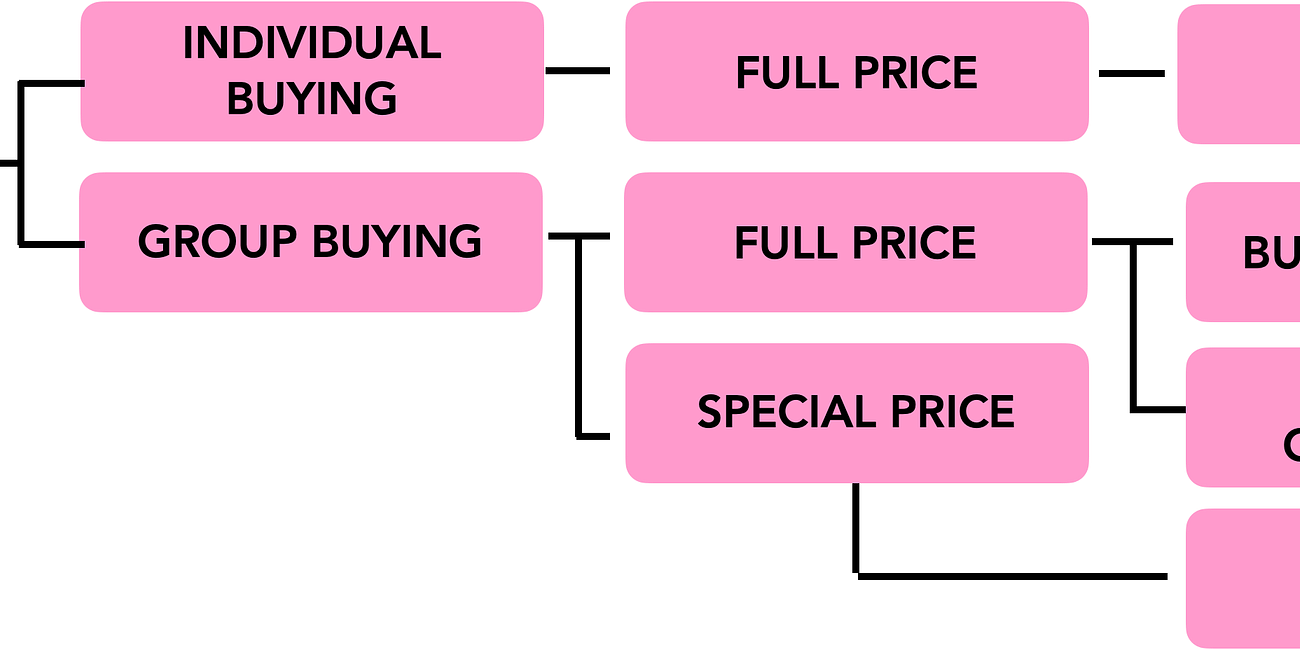
What it is, how it works, and what are the scenarios for luxury, DTC, and mass brands
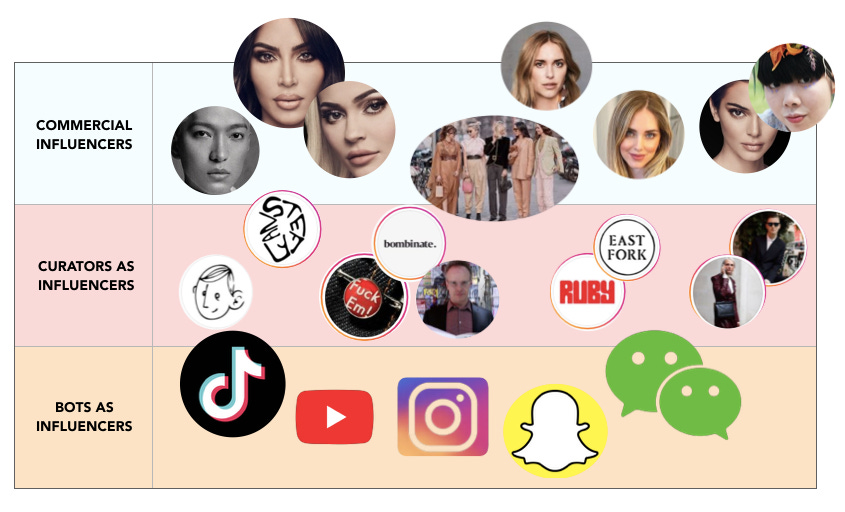
Entertainment x Shopping
How to turn live-streaming from an e-commerce tactic into the brand-building strategy