
How a century-old empire started crumbling

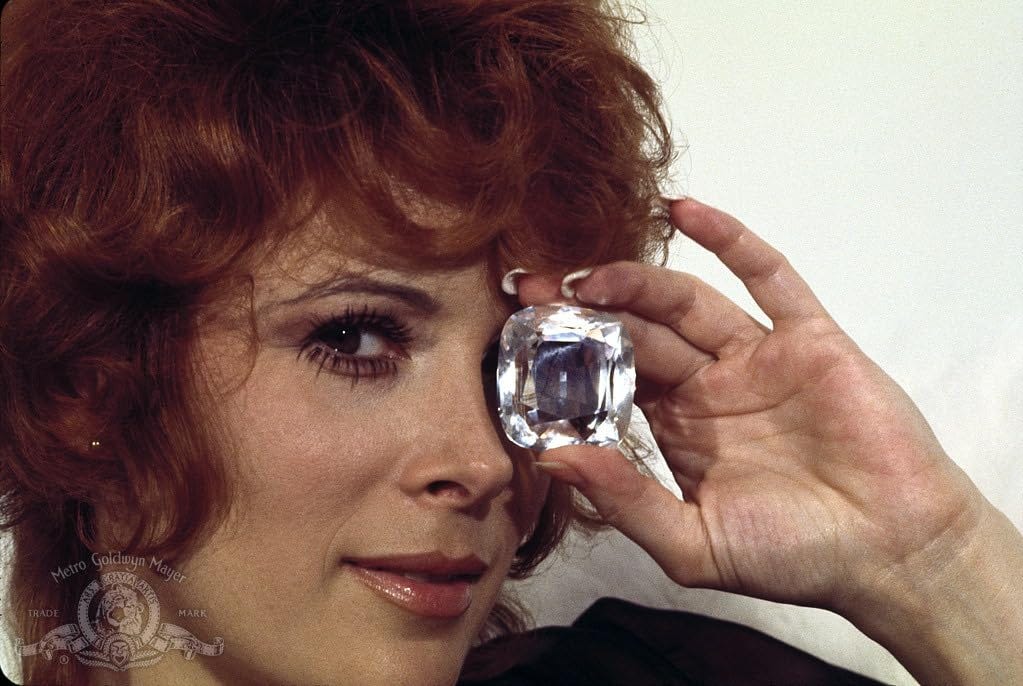
In the 1971 cult classic “Diamonds Are Forever”, James Bond infiltrated a sprawling diamond smuggling operation, uncovering a plot to corner the world’s diamond market through an elaborate space laser. The film’s villain, Ernst Stavro Blofeld, understood what Cecil Rhodes had discovered a century earlier: “Control the diamonds; Control desire itself.”
In reality, De Beers had already achieved what Blofeld could only dream of, i.e. monopolizing human hearts through marketing wizardry and supply manipulation.
Today, that empire faces a threat no Bond villain perhaps could ever think of. The monopoly that convinced generations that love required a month’s salary sealed in carbon is discovering that even the most carefully constructed myths have expiration dates. The Empire of Forever is learning that nothing – not even diamonds – lasts forever.
Blood on the Stones of Love
The first cracks in De Beers’ pristine facade appeared in the killing fields of Africa. The 1990s horrifyingly revealed that the erstwhile symbols of eternal love were funding some of humanity’s most brutal conflicts.
For example:
-
Sierra Leone: Rebels wielding weapons purchased with diamond profits, severed the hands of children as young as eight.
-
Angola: During the civil war, UNITA rebels controlled the diamond mines that generated millions for continued warfare.
-
The Democratic Republic of Congo: A theater of violence where diamonds financed mass atrocities above ground.
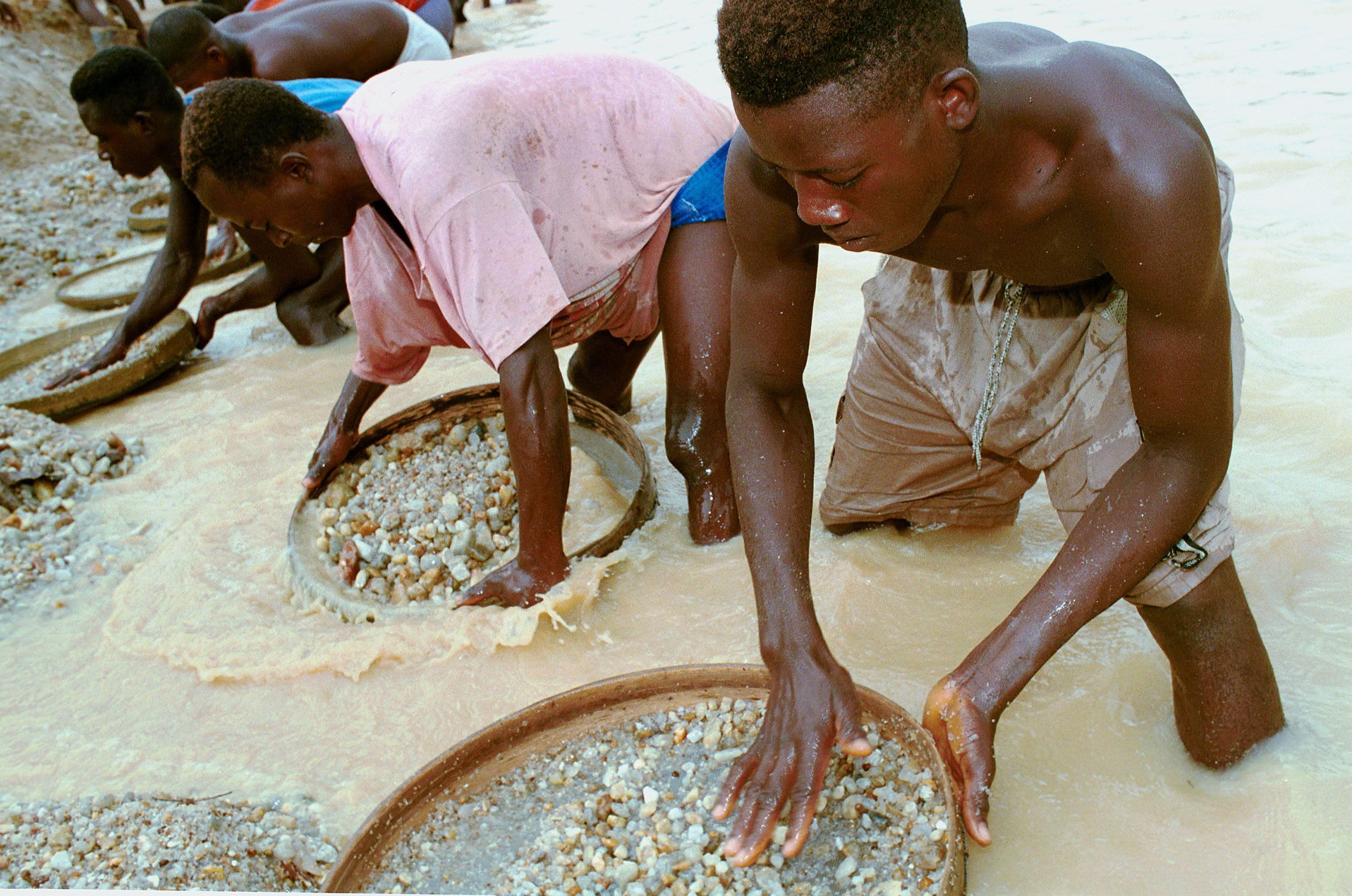
Through the heart of De Beers’ carefully crafted narrative, the term « blood diamonds » pierced the global consciousness like a dagger. The company that had perfected the ultimate, eternal, romantic story through eight decades, suddenly found itself literally stained with innocent blood.
The industry responded in 2003 with “The Kimberley Process” – a certification designed to prevent conflict diamonds from entering legitimate markets. But the damage was already done to the brand’s pristine image. For the first time, consumers began questioning not just the price of diamonds, but their very morality.
The seeds of revolution started germinating into a moral awakening of a generation. Already concerned about ethical consumption, the young consumers started getting sceptical of traditional luxury brands. They refused to accept the justification: « that’s how it’s always been done. »
An Existential Threat
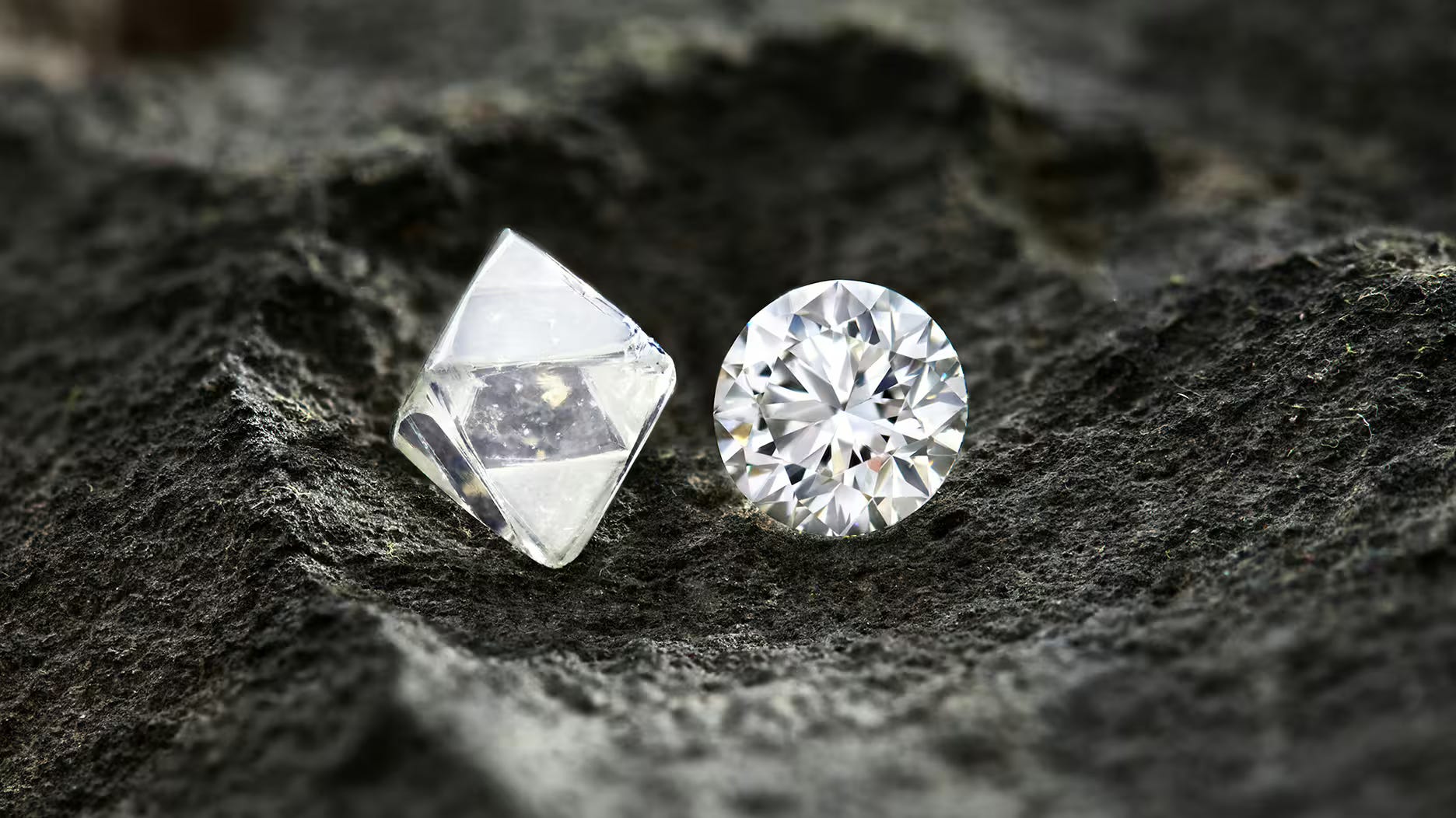
Meanwhile, an existential threat started brewing in many research facilities worldwide. Scientists learned to replicate the extreme pressure and temperature conditions that forge diamonds deep within the Earth’s mantle. What nature accomplished over billions of years, human ingenuity compressed it into weeks.
It was not a new discovery, as General Electric had been producing industrial diamonds since the 1950s. But by 2010, laboratories refined the process, creating gem-quality stones so perfect that even trained gemmologists struggled to distinguish them from natural diamonds – because it required sophisticated equipment to do so.
Suddenly, luxury became democratized. Imagine a 1-carat lab-grown diamond costing $1,000 matching the quality of a $4,000 natural stone! The implications were staggering. When scarcity becomes a choice rather than a natural law, entire economic models collapse.
As a result, the carefully controlled scarcity that supported De Beers’ empire, evaporated like morning mist. For the first time in more than a century, De Beer’s faced a dilemma that was unimaginable during Cecil Rhodes’ era: an empire that thrived on controlling scarcity, was confronting abundance. The « forever » stones became the “pizza of diamonds” – i.e. available on demand.
The Democracy of Desire
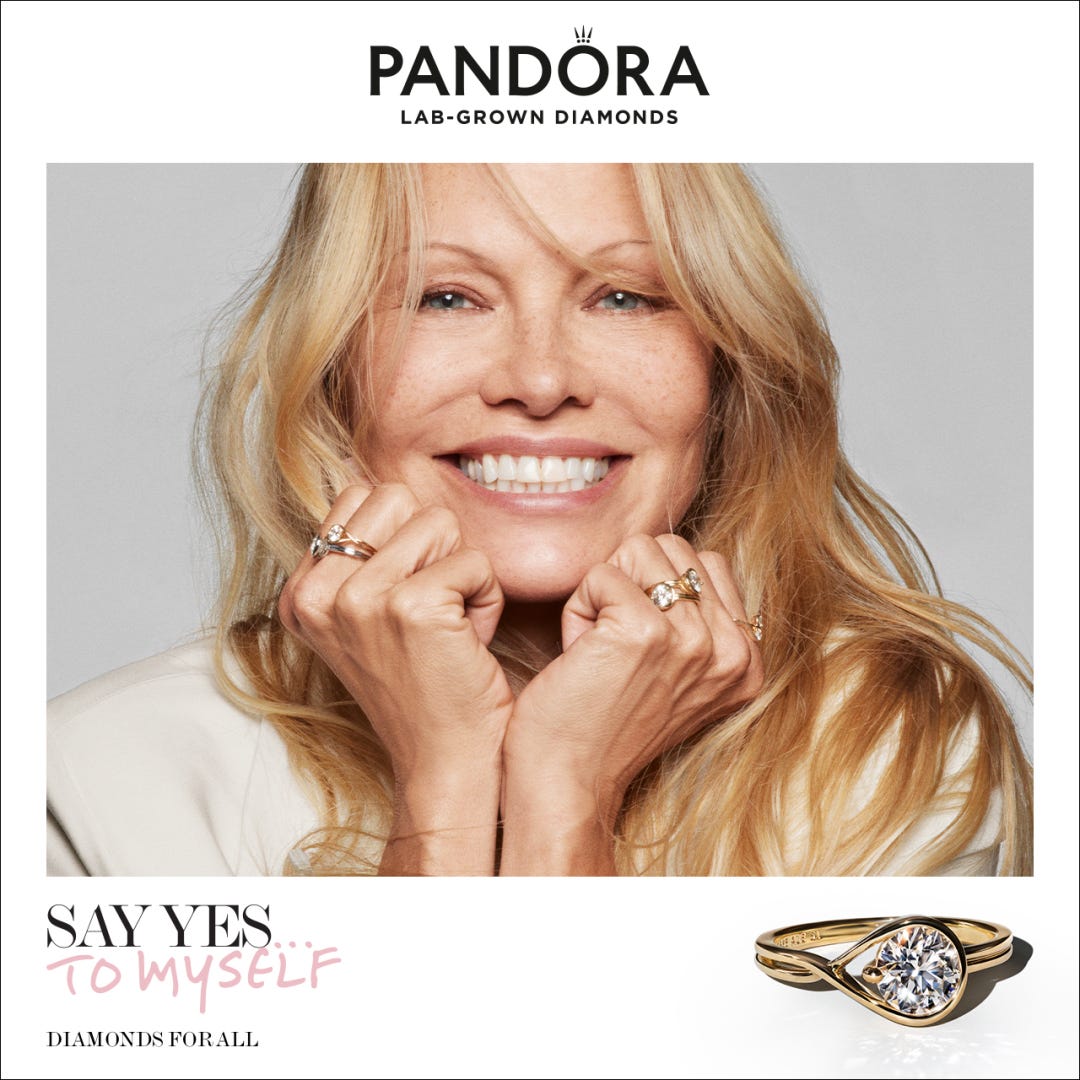
The market hence, opened up swiftly and mercilessly. Lab-grown diamonds started selling even in Walmart since 2022. The synthetic stones claimed half of its diamond jewelry assortment. Pandora, the world’s largest jewelry company, started selling only lab-grown diamonds citing its environmental benefits.
Consumer demand for “affordable” luxury shot up, indicating a revolution in progress for Lab-grown diamonds:
-
< 1% of global market in 2016
-
> 20% of diamond jewelry sales in 2023
-
> 50% of engagement rings purchased by couples < 30 yrs (a category which was the crown jewel of De Beers')
The generational value shift was too seismic to ignore.
For example, when a young early-career woman got engaged in 2023, she chose a 2-carat lab-grown diamond – which could have cost 5X more if mined from the earth. « It makes no sense for paying extra for a stone when I could get something identical, ethically created, and promoted sustainability too? »
Her sentiment echoes across a generation that grew up with information available on touch, questioned authority, and demanded transparency from the brands they supported.
Fighting for Hearts and Minds
DeBeer’s responded to this democratization desperately and quite defiantly. Al Cook, the geologist CEO of De Beers since 2021, launched the most expensive marketing campaign in De Beers’ history, spending unprecedented sums to distinguish natural diamonds from what he dismissively called « synthetic alternatives. »
The company partnered with the Natural Diamond Council, launching campaigns that portrayed lab-grown diamonds as inferior imitations. The messaging was clear and urgent:
Real love deserved real diamonds, formed by nature over billions of years, not manufactured in laboratories over weeks.
-
Lab-grown diamonds were called « The Dupe »
-
Natural diamonds were promoted as « For Better. »
-
Campaign Tagline: « Worth the Wait »
-
emphasized upon the billions of years needed to create natural diamonds,
-
positioned patience as a virtue and instant gratification as morally inferior.
-
However, this battle proved more challenging than controlling supply chains had ever been. Young consumers were increasingly immune to traditional luxury marketing tactics. Even when authenticity represented value for them, it manifested differently than their previous generations.
Ironically De Beers, which had spent over a century manufacturing desire, started arguing that manufacturing diamonds diminished their value.
The Great Reinvention
On realizing that the old monopoly model was shattered beyond repair, De Beers ambitiously embarked upon a transformation campaign in over a century. Suddenly the brand decided to directly compete against traditional luxury brands like Tiffany, Cartier and others.
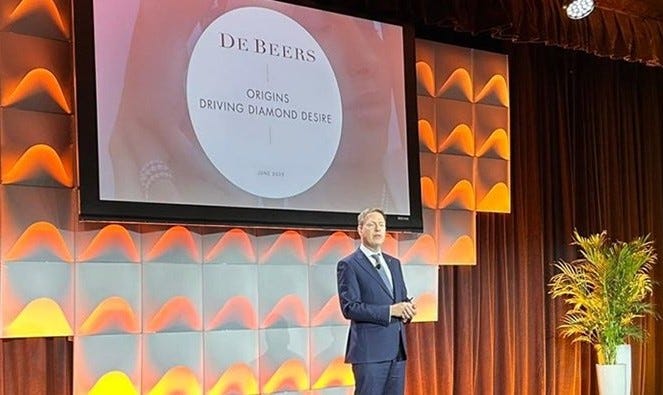
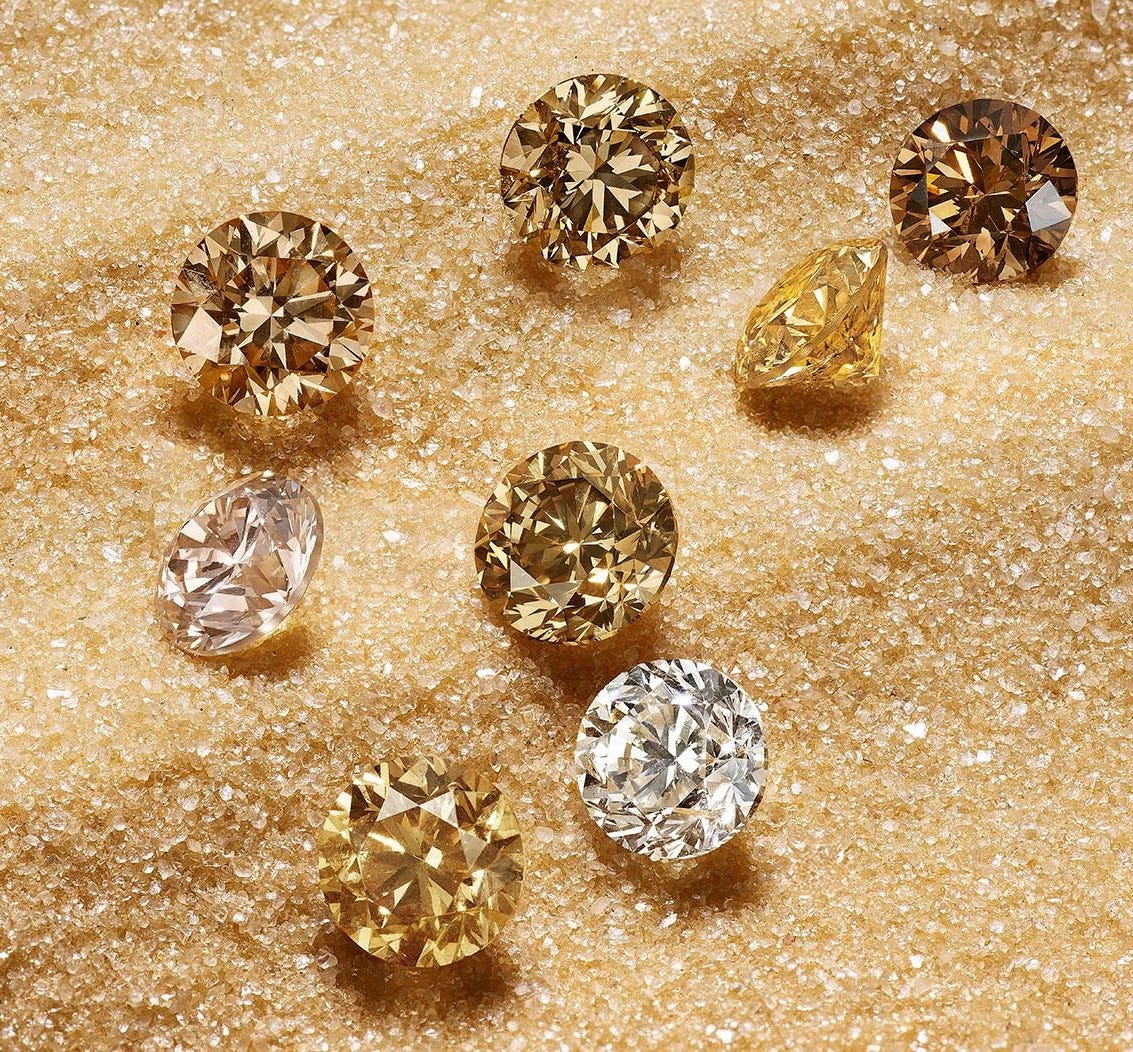
The « Origins » campaign – launched at the 2025 JCK Show Las Vegas with the « Ombré Desert Diamonds » jewelry – positioned De Beers as a luxury jewelry maison.
The campaign shifted the focus of the company:
-
from a wholesale diamond supplier to luxury consumer brand
-
from controlling scarcity to creating desirability through craftsmanship and storytelling
The company’s marketing was dramatically overhauled:
-
Retail presence expanded globally with flagship stores in major cities
-
Digital marketing and e-commerce platforms attracted heavy investments
-
Branded lines like Forevermark were created to emphasize traceability and ethical sourcing
-
Brand journeys created thru blockchain technology, to track diamonds from mine to consumer
However, this journey was far from smooth. The company was struggling to find buyers willing to pay as per previous valuations. As a result, De Beers’ parent Anglo American had to write-off the value of its diamond holdings by 45%, in preparation for a public listing.
On the other hand, the lab-grown diamond industry has started to mature and consolidate. Pandora and Signet Jewelers started integrating synthetic diamonds into their line-ups, with great success. While technology continues to improve and costs decrease, lab-grown diamonds increasingly attract price-conscious consumers.
The New Battlefield
Today the diamond industry has been split into two distinct segments, each serving different values and demographics:
1. The Luxury Legacy Market
High-end retailers like Tiffany, Cartier, and Harry Winston resolutely refuse to sell lab-grown diamonds. They position themselves as guardians of tradition, heritage, craftsmanship, with the romance of geological time. Their belief is that traditional luxury consumers will continue to seek rarity and natural origin.
2. The Democratic Access Market
Mainstream retailers like Walmart, Pandora, and (increasingly) Signet offer lab-grown diamonds, positioning them as aesthetic luxury at accessible prices. They emphasize value, ethics, and smart consumption.
The divide represents fundamentally different world-views about what makes something valuable – traditional luxury argues for scarcity and mystique while the new paradigm champions accessibility and transparency.
Adapting to Survive
The diamond empire built on artificial scarcity is crumbling. But something potentially better is emerging, i.e. consumers demanding authentic value, ethical practices, and transparent operations.
Two likely scenarios are emerging as we move ahead.
On one hand, natural diamonds could become increasingly rare collectibles, prized like fine art for their provenance and billion-year history – rather than their beauty alone. This would require strict supply control and premium pricing, transforming natural stones into status symbols for the ultra-wealthy.
Alternatively, diamonds could follow aluminium’s path – i.e. from precious rarity to beautiful commodity – since both natural and lab-grown stones would become increasingly affordable, as competition is increasingly shifting from scarcity to design and customization. In this future, diamonds would become truly democratic, available worldwide regardless of income.
Today’s buyers want beautiful products that align with their values and aspirations. Companies that embrace the realities of ethically conscious and well-informed consumers will thrive.
In conclusion, one of most valuable lessons we learn from this is:
True permanence comes not from resisting change – but from evolving with it.
(Look for the first part: “The Empire of Forever”)