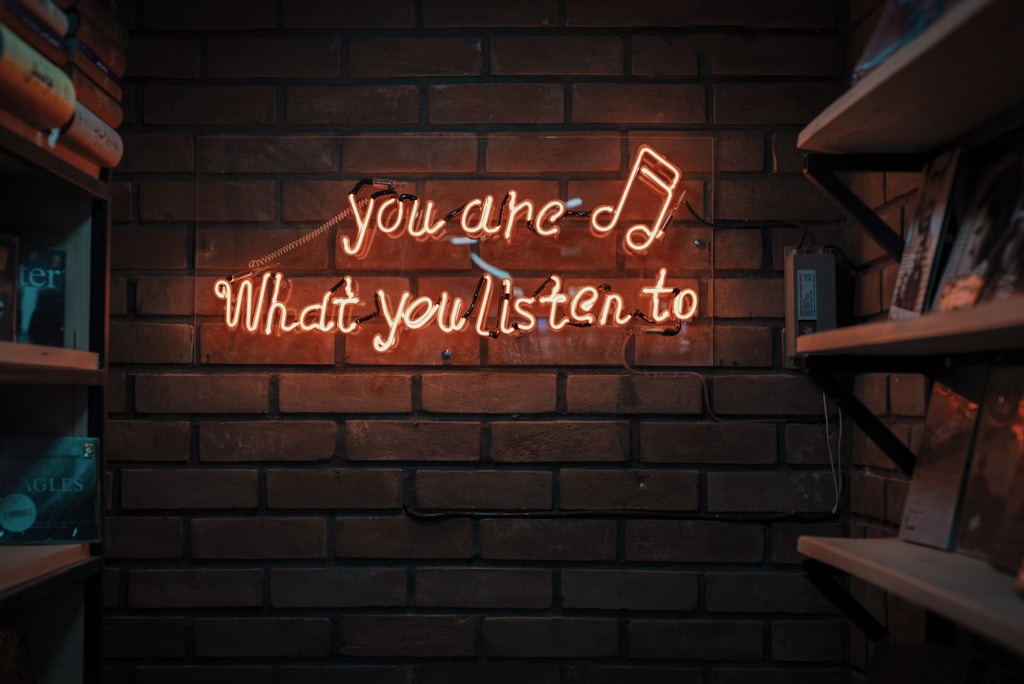
Yancey Strickler, co-founder and former CEO of Kickstarter, was once an aspiring music critic for Pitchfork, an indie-music publication that was acquired by Condé Nast about five years ago. Last week, Condé Nast decided to roll up Pitchfork into GQ, essentially ending Pitchfork’s run. In a postmortem titled ‘Prestige Recession,’ Strickler pointed out that this is not just about Pitchfork, but rather, it is about cultural criticism at large, and the not-so-surprising death of the critic.
It was once critics who helped shape cultural values – spotting a trend here, putting a scene on the map there – but now the process is driven by metrics. Context, the land of the artist and the critic, has been determined valueless (unless algorithmic) by the mainstream, which honestly never much cared for it to begin with. Instead, art and culture have been safely neutralized as interchangeable commercial objects just like everything else. Who was it that criticized selling out in the first place? The critic, of course.
The decline of the critic mirrors the decline of the mediums they cover. Music and film are industries whose relative cultural value has dipped, thus their critics’s cultural influence has plummeted. In realms like politics and the culture wars, however, critics are thriving. Where there’s power and money, critics can have influence and get paid. When the money and power dry up, the beat does too.
Given how we consume media, I would argue that this was inevitable. For over a decade I have argued for adaptation by media to a new reality. With algorithms and platforms starting to play a much larger role in our digital media lives, the media ecosystem had to evolve. It hasn’t. Instead, the industry has taken collective shortcuts and kept doing more of the same.
Well, the barbarians are at the gate.
‘The critic has to educate the public, the artist has to educate the critic,’ Oscar Wilde once said. Well, that might have been true, but not anymore. Today, algorithms shape everything.
Let me illustrate with a small personal example. Yesterday, I fired up the latest single by Nils Frahm, a musician whom I like a lot. Once the track finished playing, another one similar to Nils’ played on. It wasn’t long before I found a song I had not heard before — and I saved it to a playlist. In the past, this artist was someone I would have encountered in a music publication.
In other words, now our personal preferences determine how we discover the new and novel. Photography, fashion, art, ceramics, shoes, food — there is more of what you like, or from whom you follow. We live in a highly personalized world — where we have sliced, diced, and remixed our likes into an endless stream. In this reality, someone who was once viewed as a critic is much less valuable in their current, present form.
So, in that sense, Yancey is right when he laments:
Cultural criticism and contextualization aren’t going away. They’re being de-professionalized. They’re switching mediums. What was a grand(ish) vocation has been demoted to a hobby and another form of “content.” It feels inevitable. We’ve gotten so used to it by now.
However, culture changes!
F.O. Matthiessen, a literary critic at Harvard, argued that being a critic requires awareness, social consciousness, and the ability to create the right way to bridge the gap between literature and life. In an era of limited access to information, the ‘critic’ was vital in providing social context to art, culture, and creativity within the prevailing social needs and norms. Today, we don’t live in that information-restricted world, where media organizations act as gatekeepers. Instead, we live in an information-dense world.
The culture critics who spent days creating words of criticism now have to evolve to use today’s tools to help others think differently, try new things, and have an influence. Playlists are the new words. Followers are the new readers. Critics of yesterday are now ‘tastemakers.’
While anyone can be a tastemaker, to be good, and have real influence, one still needs to have skills that add up to a professional critic — broad awareness of modern and past works, other aspects of life, understanding of popular culture, knowledge of society, and contemporary politics, economics, and global context.
Most importantly, you need to have taste. It might not be my taste. Or to your taste. But the reality is that anyone can be a tastemaker. And as soon as they can no longer be relevant, they are not critics. But given how we consume media — perhaps, this is the right evolution.
January 24, 2024. San Francisco
They say there’s not enough money in advertising. But if the site were so desirable it could be subscription-based. But it’s not that desirable. I prefer Metacritic to Pitchfork anyway.