From THR:
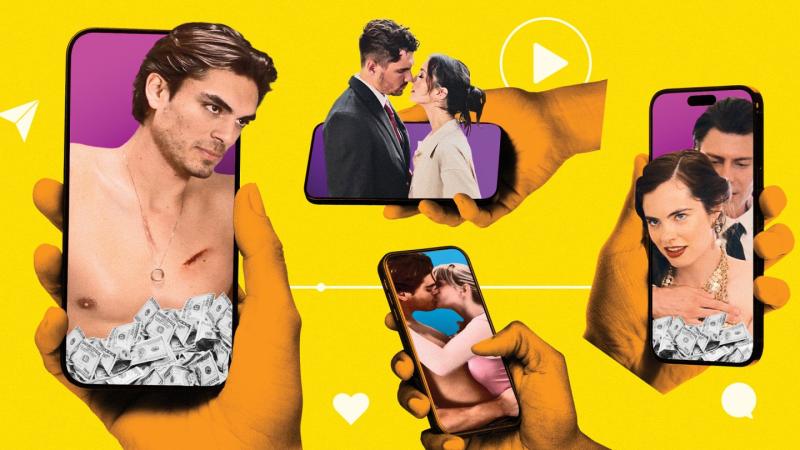
These execs believe they can bring some studio savvy to improve the quality of verticals, which traditionally feature clunky scripts and inexperienced actors.
All are interested, too, in bringing influencers on board as actors or creatives to broaden their appeal.
“What you’ll see from us is a very different approach to how we think about the business as not just a cash grab, but a long-term core piece of the media pie for billions of consumers,” says Erick Opeka, the chief strategy officer and president of Cineverse, which has a 50 percent stake in MicroCo.
Of course, #Hollywood wouldn’t be experimenting if it wasn’t seeing the dollar signs. Under the current “freemium” model of many verticals platforms, viewers can watch the first few “episodes” (often one- to three-minute segments) of a vertical for free and then can pay or watch ads to see the rest. Budgets for these projects are minuscule (generally, $100,000 to $300,000 per series), and platforms release a lot of them, experimenting to see what resonates with viewers.
According to Owl & Co, verticals are set to make more than $3 billion outside China this year. A separate analysis from Sensor Tower found that the U.S. is the market that generates the most revenue for verticals apps, reaching nearly $350 million in the first quarter of 2025.
The ambition for Hollywood players, essentially, is to build the Netflix for vertical video and the race is on to see who will get there first. But many open questions remain
MicroCo, which has set its sights on releasing its app in the first half of 2026, plans on keeping costs low in part by retaining the #microdrama tradition of working with largely unknown actors. Its projects will be budgeted at about $100,000 to $200,000 each.
Meanwhile, GammaTime and HOLYWATER are planning to bring more of a traditional Hollywood approach by courting #film and #TV regulars for their products, a move that’s bound to increase the bottom line.
Quibi was able to engage such stars as Demi Lovato, Chrissy Teigen and Liam Hemsworth with lavish spending after it launched in 2018. “People on Quibi have $100,000 a minute to make content,” Quibi founder Jeffrey Katzenberg once told Vulture. Compare that with Holywater, which says its budgets hover around $150,000 for an entire series, often around 60 to 90 episodes.
Will these Hollywood efforts be able to retain viewers and build legitimate brand awareness? Microdrama apps typically market their series on such social media platforms as TikTok, Instagram and Snap Inc., offering viewers an excerpt of a story to get them hooked and drive them to #streaming apps.
But there’s not a lot of brand loyalty in the same way that true-crime viewers might really love Netflix or book-to-TV adaptation enthusiasts might prefer Hulu, and viewers hop between platforms.