
Last weekend I watched a screening of Rams,
Gary Hustwit’s new documentary about Dieter Rams. It moved me enough that I had
to write this short review.
Dieter Rams is arguably the most important and influential designer in the
history of industrial design. Just like Jony Ive from Apple is a household name
today, Dieter was a key facet of German consumer goods company, Braun’s brand
image in the 1960s.
He looked the part—good-looking, young, drove a Porsche, listened to jazz—just
the kind of image they [Braun] wanted to project for this new way to live.― Gary Hustwit
Dieter Rams
Decades later, why do we still talk about Dieter today?
It’s because of the lasting mark he has left on the world of design. He famously
penned the
“Ten principles for good design”.
Remarkably, these ten principles have stood the test of time and to many are
canon.
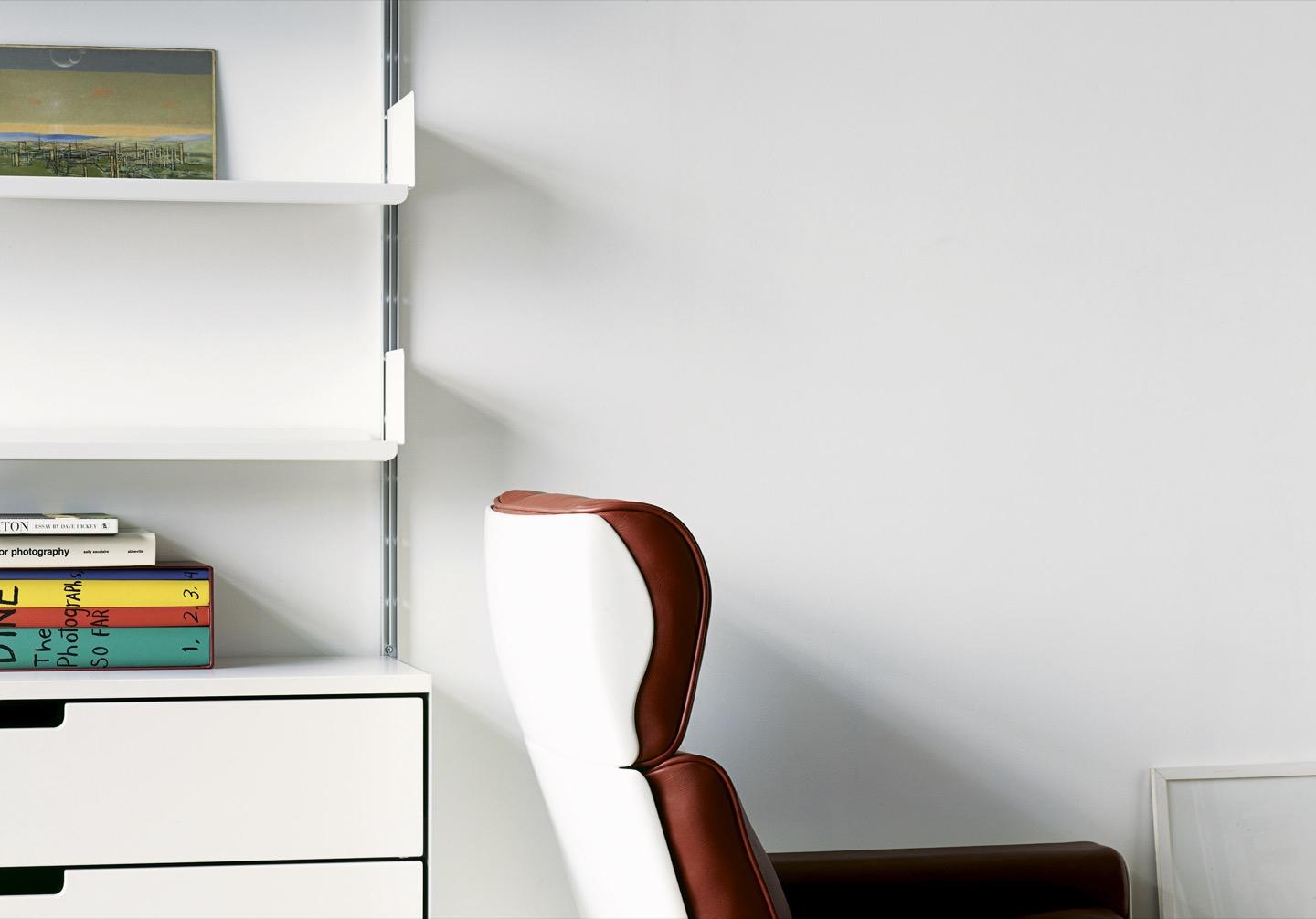
Shelving System and 620 Chair
Similarly, the things Dieter designed have continued to directly influence the
objects in our lives. For example, Apple’s products in the last two decades have
been
widely compared
to things Dieter designed in the mid-century. However, his influence didn’t just
extend to Europe and the Americas. Dieter, himself inspired heavily by Japan,
has influenced designers all over the world.
Not many people realize that those Braun products made their way to Japan and
went on to influence a whole generation of Japanese product designers. We see
these Muji products and we all think it’s minimal Japanese design, but it’s
partly influenced by European modernism, which I think is super interesting.― Gary Hustwit
While most of his work is three to five decades old at this point, an eternity
in product design, they have retained their value as objects that can be used
every day. This point was validated earlier this year in
the auction of JF Chen’s collection
of over 130 of Dieter’s works.
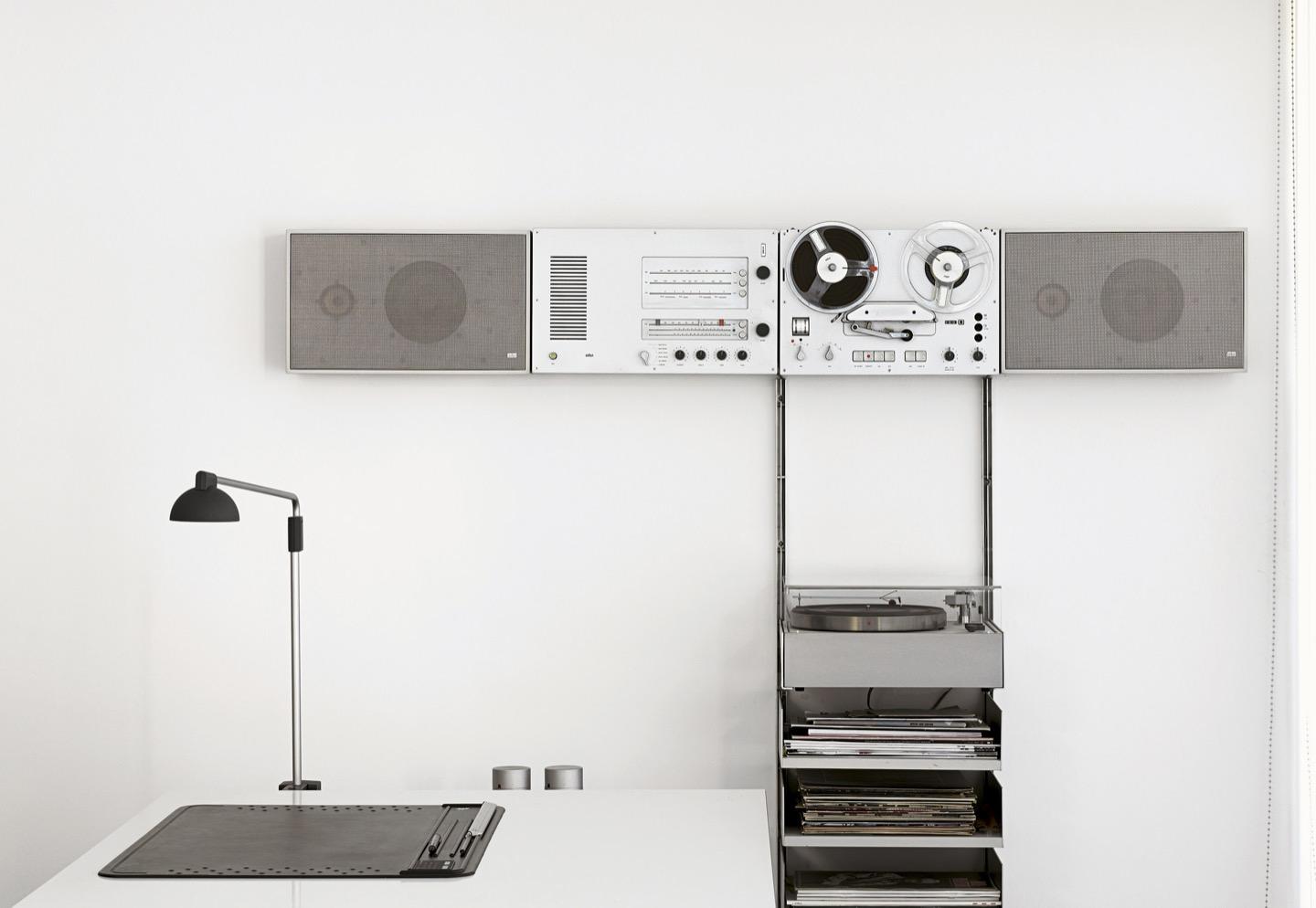
Dieter’s stereo system and desk
Dieter is famously a very private person. While his words and thoughts have
appeared in a few books,
he has rarely appeared in film. Until this year, his most prominent film
appearance was in Gary Hustwit’s
Objectified.
That film and Helvetica before it have
had a tremendous impact on my life as a creator and designer.
On one hand, they opened my eyes to the discipline of design. They showed me the
complicated history and the people behind the objects in the world that
surrounds me.
On the other hand, the films themselves are extraordinary works of design that
have fed and inspired my creativity. Gary is an exceptional filmmaker that truly
understands the medium he works with.
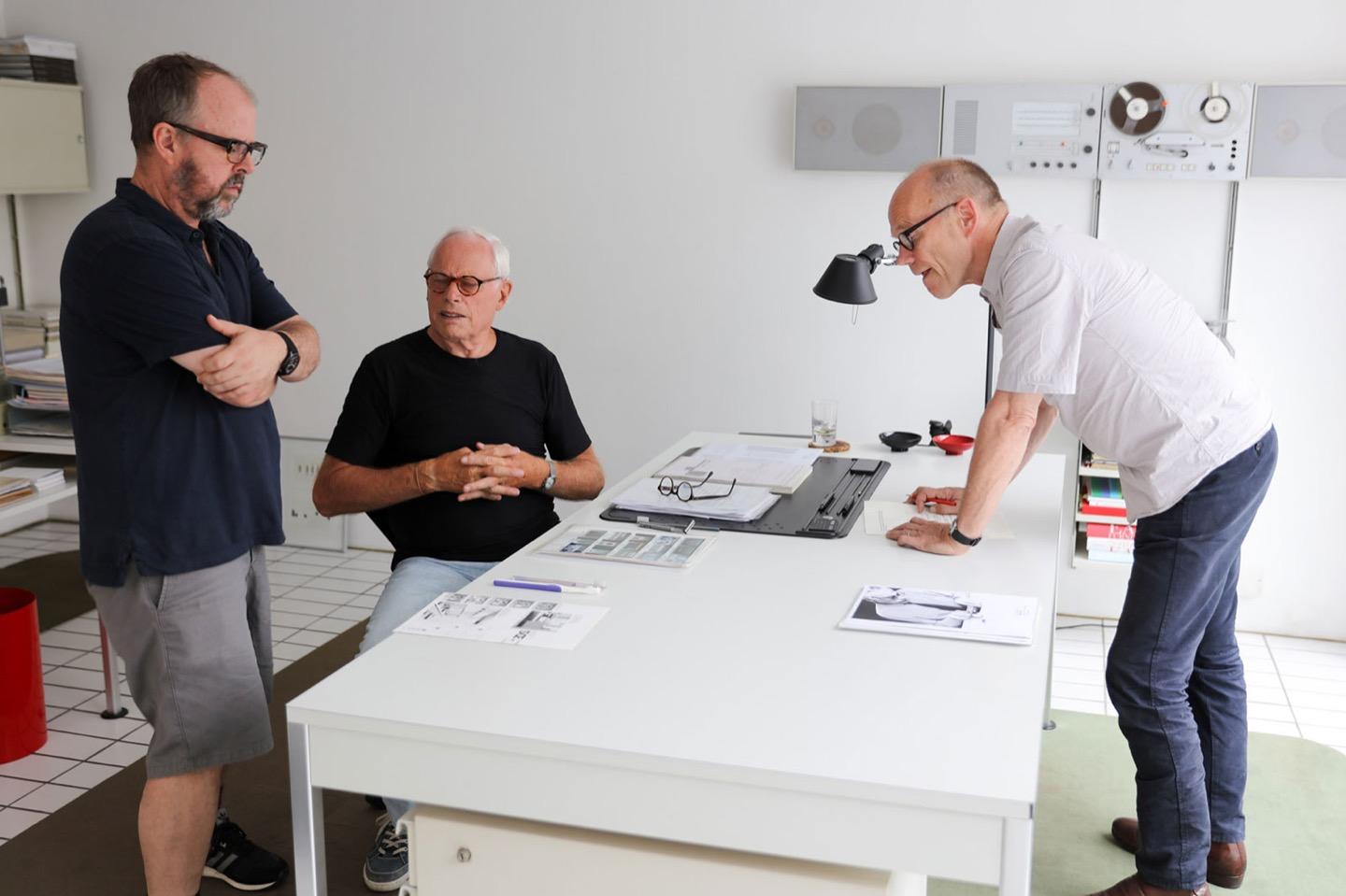
Erik Spiekermann served as an
interpreter between Gary and Dieter
Two years ago, when I saw that Gary launched
a Kickstarter campaign
to fund a film all about Dieter Rams, I was quick to back it. A few days ago, I
finally attended a screening of the film in San Francisco.
Rams is clearly a Hustwit film. It has a soundtrack, this time written by
Brian Eno, that beautifully harmonizes with the
story. The film is also noticeably minimal, embodying the “Less But Better”
ethos. I asked Gary at the screening’s reception if he felt pressure given the
success of his previous films. His answer: “no”. Rams isn’t just the story of
Dieter Rams made with the same formula for Objectified or Helvetica, it’s
something entirely new.
The only place where I think Gary missed the mark is
one sequence in the film where Dieter’s ten
principles are introduced alongside a rather overwhelmingly animated set of
videos of Braun objects in use. That sequence lost the “as little
filmmaking as possible” [3] mantra
that Gary followed for the rest of the film. The animations got in the way of
the storytelling.
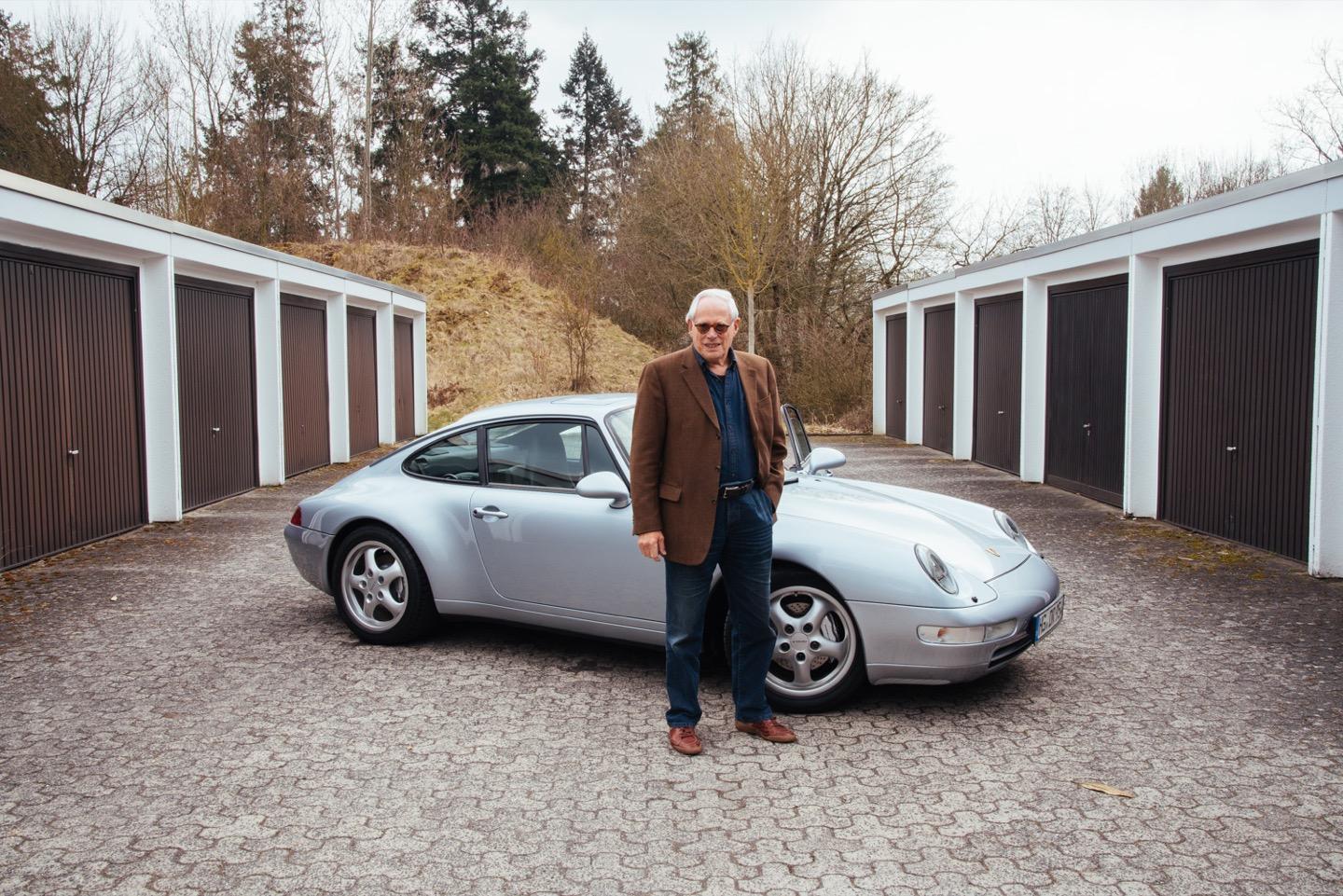
Dieter and his 993 Porsche
Rams breaks away from Hustwit’s previous three design-focused films by ceding
breadth in favor of depth. It gave me a chance to see and understand the person
that is Dieter Rams, not just the things he has created.
This is important because it’s very easy to be swayed by the results of others’
thinking. Design is frequently seen only at the surface level without digging
into the principles and process behind the work. Dieter himself dispises what
design has become in popular culture.
What I am especially bothered by today is that, particularly in the media,
design is being used as a ‘lifestyle asset.’ I’m bothered by the arbitrariness
and the thoughtlessness with which many things are produced and brought to the
market. There are so many unnecessary things we produce, not only in the
sector of consumer goods, but also in architecture, in advertising.― Dieter Rams
The products he designed for Braun are static reflections of the age they come
from. While we can learn a lot from studying them within the context of the time
and constraints they were created within, we can’t just blindly mimic them.
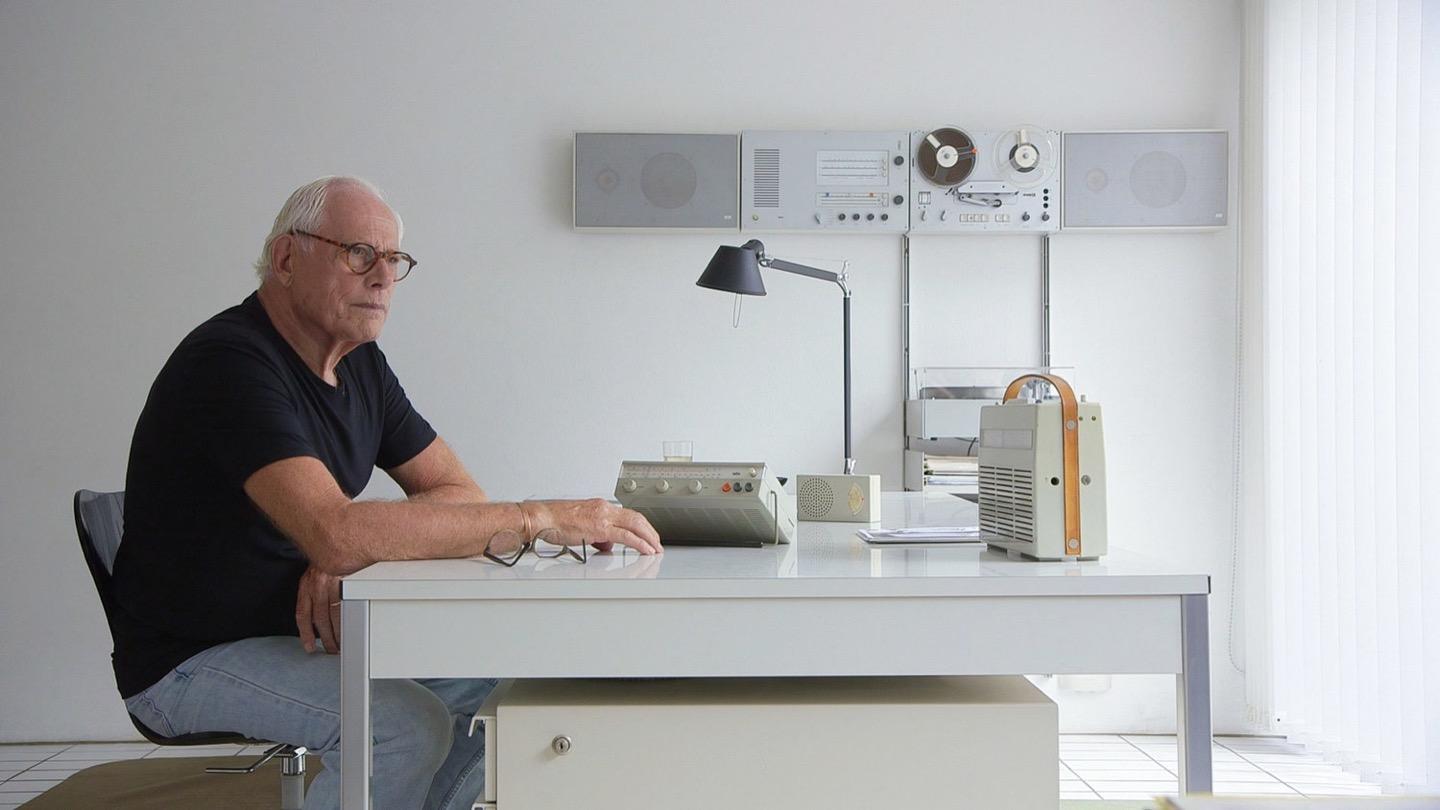
Dieter at his desk
In Rams I got the chance to see his day-to-day life and hear his life story. I
saw how there is no real delineation between his work and his life.
When you walk into Dieter’s home it’s like walking into his mind. Everything
there he designed, or was by somebody whom he knew or respected. You can see
it from the coffee maker to the doorknobs to the closets to the desks –
everything is something which he had a hand in.
It’s easy to put forth a set of principles. It is excruciatingly difficult to
consistently live by those principles for half a century as Dieter has.
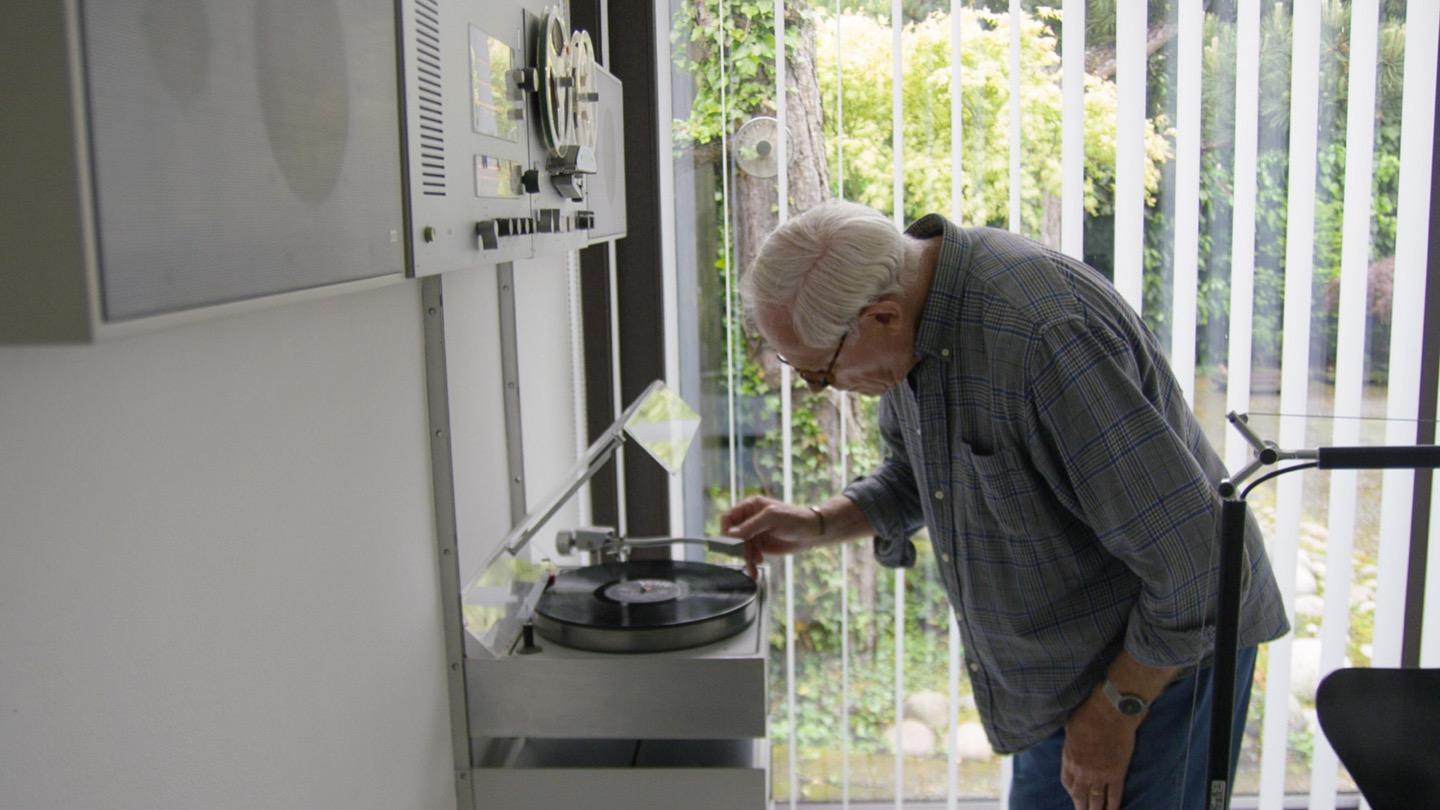
Dieter enjoying jazz
It’s obvious from the film that Dieter is aware of the world he and other
industrial designers have created. The film delves into how his thinking has
shifted towards the environment and the way we live with the things we create
and buy. He actually believes that if he were to start again today, he wouldn’t
pursue design at all.
If I had something to do in this world again, I would not want to be a
designer. Because I believe, in the future, it will be less important to have
many things and more important to exercise care about where and how we live.― Dieter Rams
Dieter’s shift in attitude is what makes the messages in this film so critical
today. In this world where we create so much waste by constantly buying, and
upgrading, and discarding, we need more people like Dieter who simply reject
that way of living.
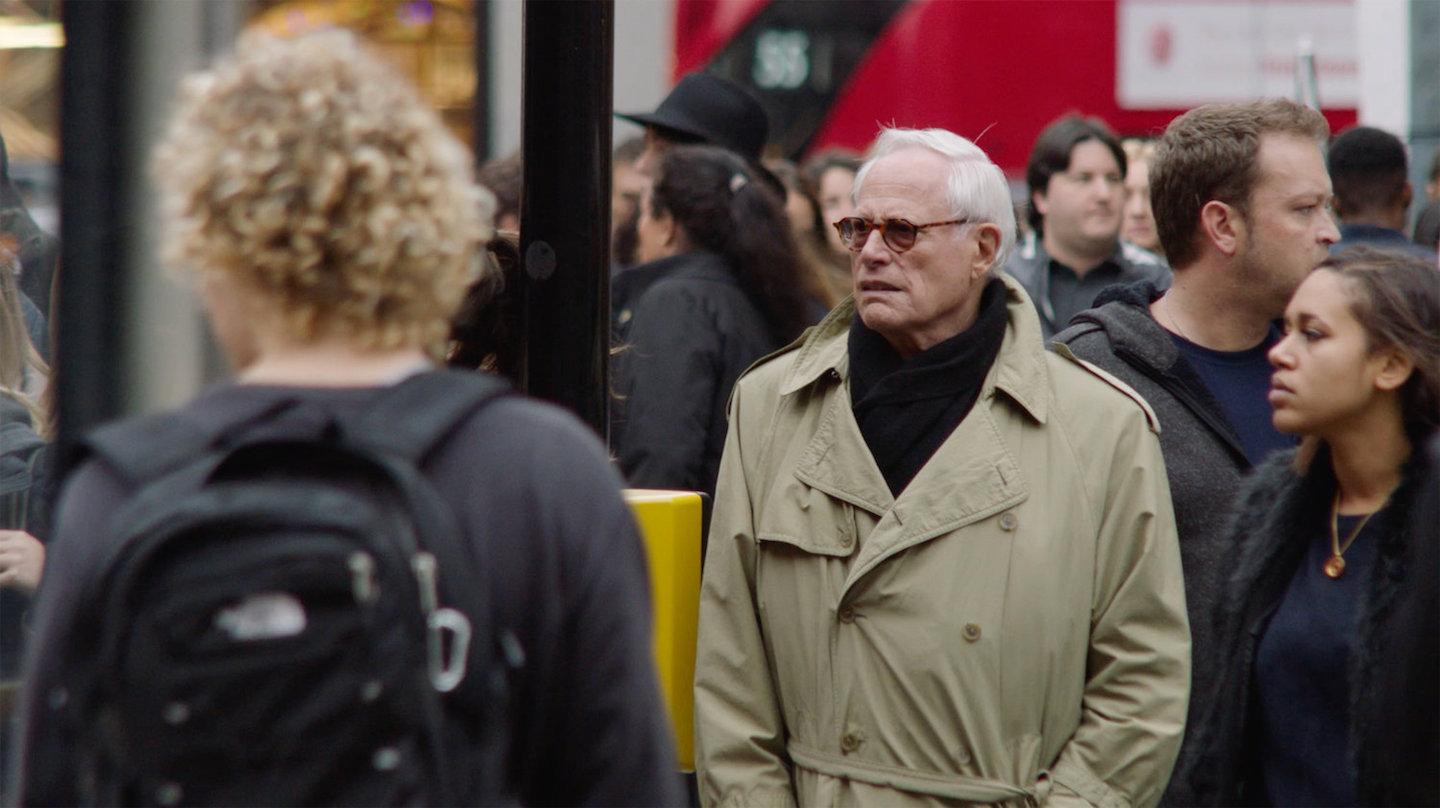
Dieter in London
There are very few people in the design world who deserved to have their story
told in film as much as Dieter and there are very few people who could tell that
story as Gary has.
Rams is a must watch for creators and consumers alike. There are still
screenings happening around the world until early December.
Go see it if you can.
Thanks to Q for reading drafts of this.
Photo Credit: Gary Hustwit and
Wallpaper Magazine
Laisser un commentaire