What makes a brand culturally attractive?
Welcome to the Sociology of Business. In my last analysis, Danger Zone, I explored scenarios where strategic direction of a company becomes a liability. If you are on the Substack, join the chat. With one of the paid subscription options, join Paid Membership Chat, and with the free subscription, join The General Chat on The Sociology of Business WhatsApp group.
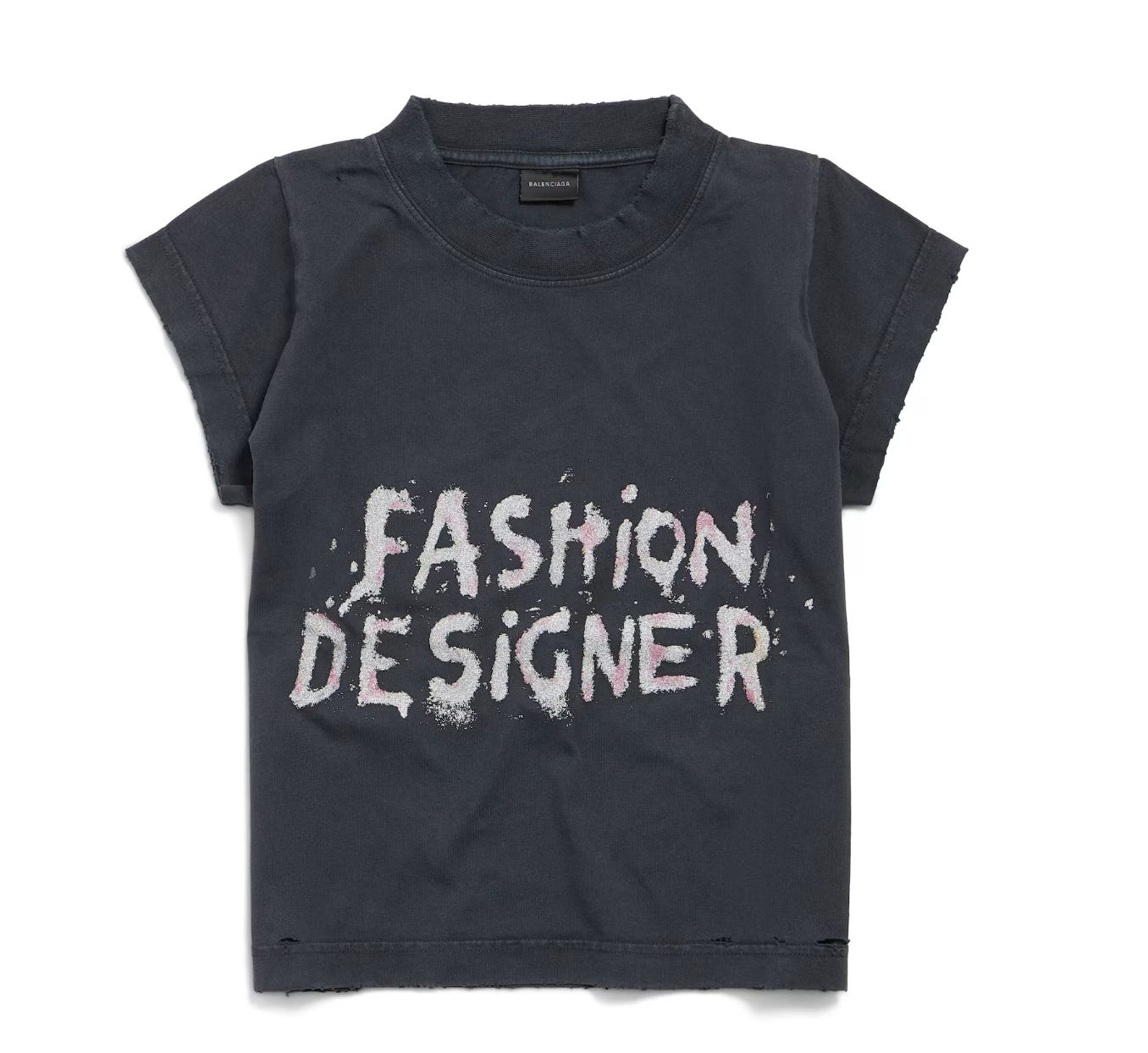
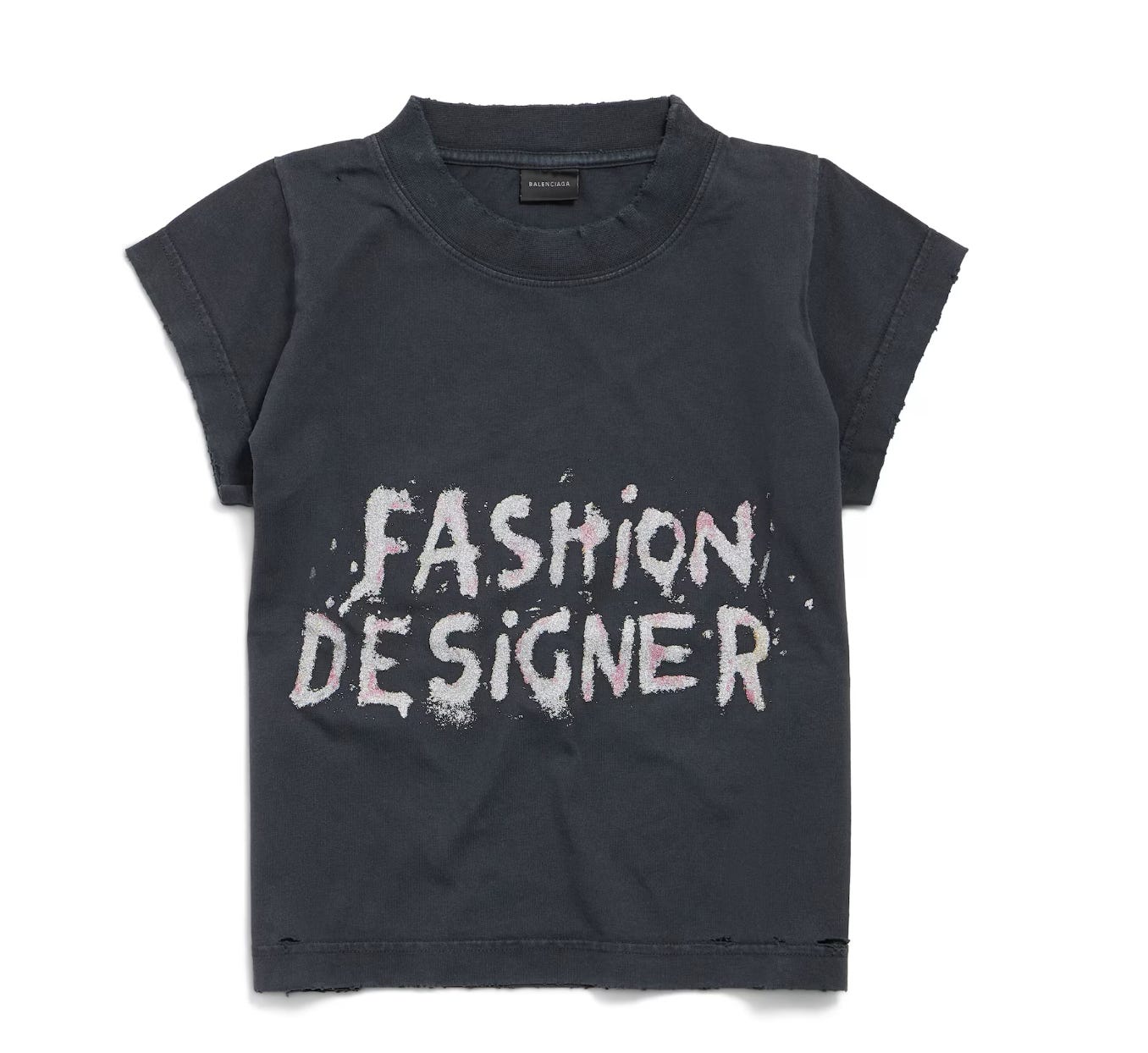
As his farewell gift (?) to Balenciaga, Demna released a Spring 2026 collection t-shirts, priced at $750 and above, with captions like “fashion designer,” “I <3 Paris>,” “luxury,” and those marking his tribute to Britney Spears.
In a statement about the collection, Demna said, “moving on to the next chapter, this is my tribute to the creative research and work than me and my teams have done for the past 10 years. It is also my love letter to the most loyal and fashion forward audience that we have built around the house and connected with in this creative process.” Very soon afterwards, Demna released “Tiger,” a movie, for the house of Gucci, along with his new collection, which was a far cry from overpriced Canal-street look-alike merch.
So much for the love letter.
Pierpaolo Piccoli now has to figure out how to get rid of those Britney t-shirts (if you crave one, go to eBay and get 2004 tour original), together with $7K ripped tights and social media heat for years-old ad scandal he has nothing to do with.
No matter. For the longest time – nearly a decade, to be exact – Balenciaga had a gravitational pull on culture that a few other brands can muster today. (Antropic’s “Thinking” caps activation was both lauded and criticized, and then instantly forgotten, as was ChatGPTs first piece of brand marketing).
What makes some brands attractive to culture and others not?
Grav·i·ty /ˈɡravədē/ is the force that attracts a body towards any other physical body having mass.
Brand gravity is the force that attracts cultural players – creators, collaborators, commentators, and consumers – to a brand. Gravity also holds together everything that a brand makes and does into one recognizable and consistent brand universe.
Brand gravity serves a dual purpose: it makes a brand galaxy, and it expands it by attracting the new cultural products and personalities to it.
The most important thing about brand gravity is the how: how a brand exerts its pull on culture. E.g. No one exerted more freedom to mess up with the established luxury norms and silhouettes than Balenciaga. This “how” is then executed through cultural products, like content, fandom management, curation, merch, collaborations, entertainment, brand codes, experiences, events, etc.
Here are some options.
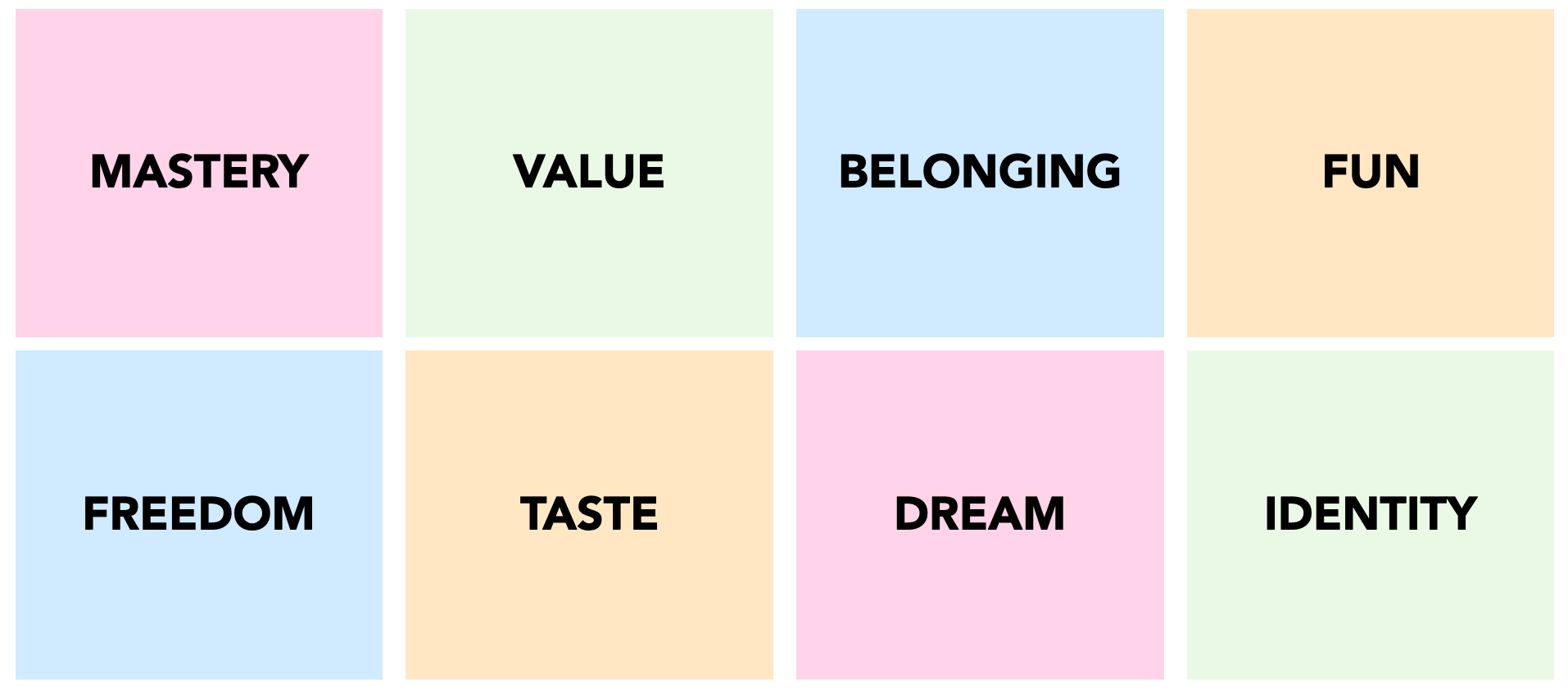
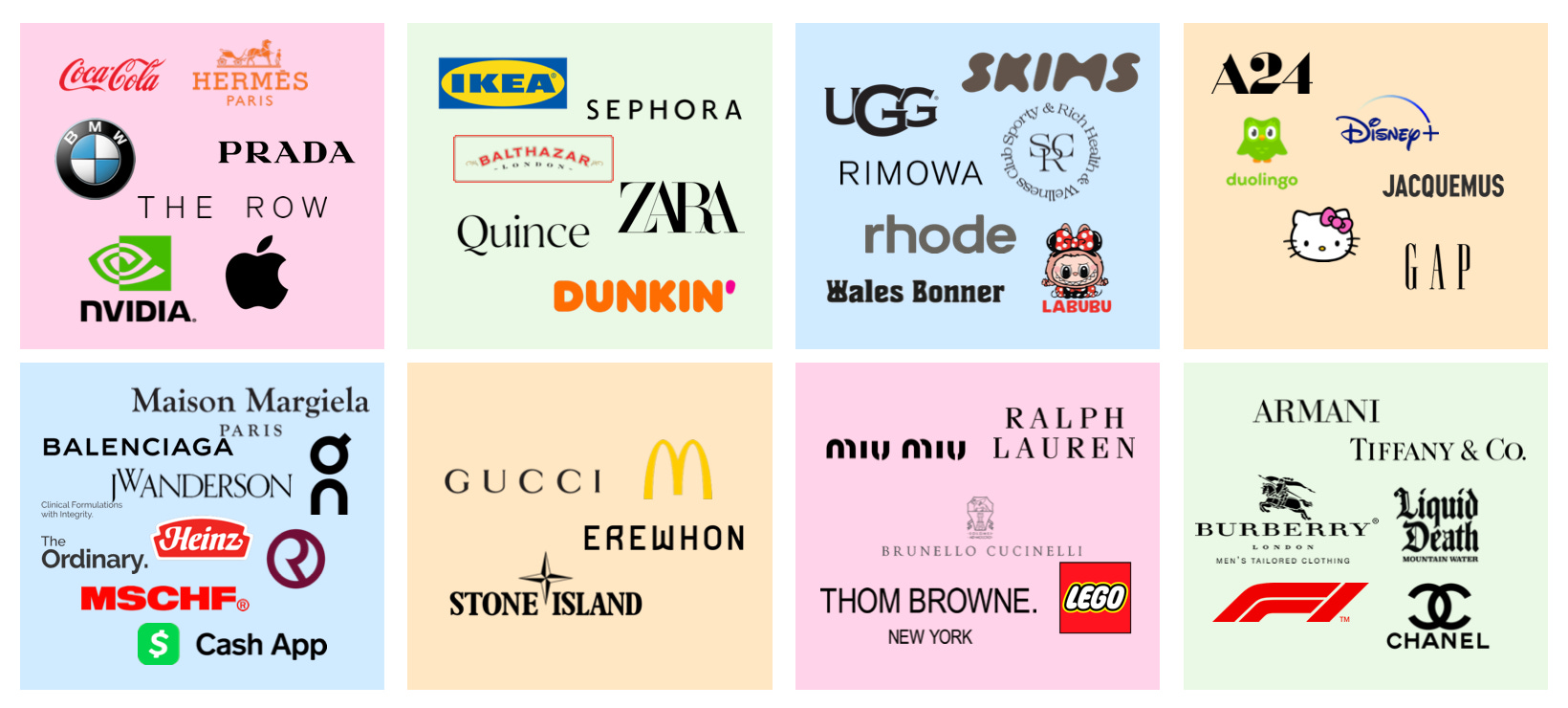
Mastery: A brand exercises its pull thanks to its craftsmanship, know-how, legacy, expertise, and artistry. Main cultural products: content, retail experiences, service, capsules, creator collaborations. Examples: Hermès, Prada, The Row, Coca-Cola, Apple.
Value: Brand gravity is based on superior quality/price ratio or other source of value that a brand provides. Main cultural products: collaborations, brand activations,
Laisser un commentaire