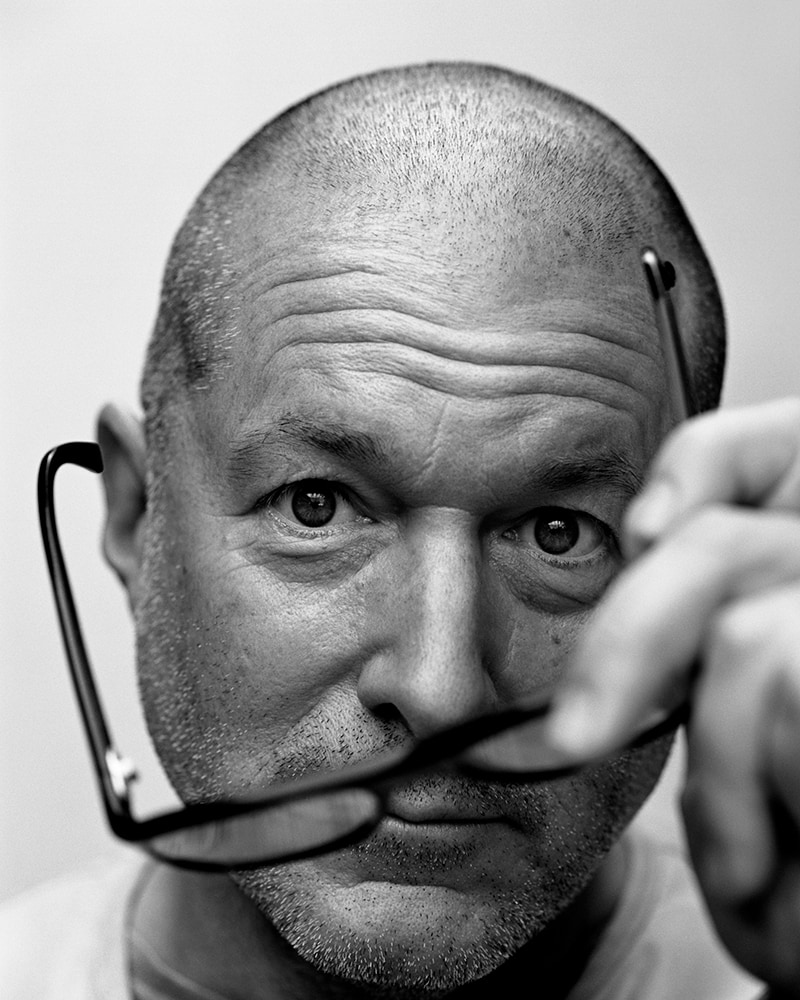
JI: Well, I do think that with the invention of the silicon chip and with the integrated circuit, we moved from an age of products that we could understand by their mechanical function and form. Designers have a role now that is really quite challenging in terms of trying to figure out how to give meaning to the physical objects that are around us that most people do not understand how they work and, in many ways, what they can do. From an industrial designer’s perspective, I think that the challenges are really significant in that your experience of an object is both mechanical and physical, but it is also a soft interface. We’re in an age now where the way that we relate to our physical environment is extremely complex. If we don’t have some sense of an understanding of the objects that we’re surrounded by, it causes us different degrees of anxiety. You tend to not dominate something if you don’t understand it. And I think there are challenges that are a consequence of where we are, from a technology point of view. And then, of course, there are the challenges that are associated with how we can carefully and responsibly use resources. How we can actually build the products and objects that we use, how we can maintain them. The challenges are extraordinary and I have become—perhaps over the last couple of decades—more and more aware of being part of a profession and having a practice that is still very new. I have become very aware of just the rate of change that is so extraordinarily fast. It’s wonderfully challenging, but it’s certainly challenging to respond and keep up with just understanding what the problems truly are, let alone actually trying to attempt to make a contribution to their resolution. The challenges are so complex that I feel, more than ever, that collaboration and working with a diverse group of creatives is extremely important. The days of being able to work in an isolated and singular way—I think those days are long gone.
Laisser un commentaire